
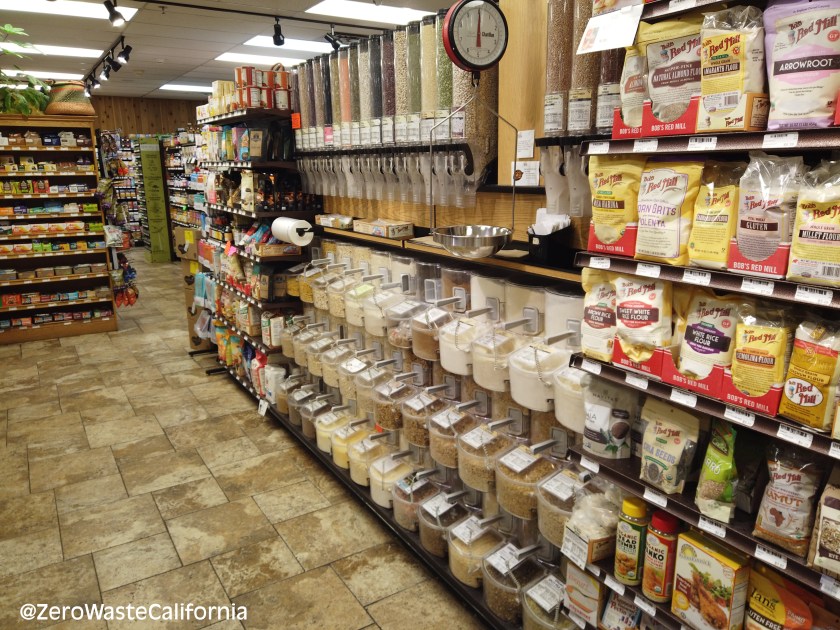
A bulk food store is a type of grocery store that specializes in selling food and household products in bulk quantities, typically without packaging or with minimal packaging. In a bulk food store, customers can purchase items such as grains, legumes, nuts, seeds, dried fruits, spices, oils, vinegar, coffee, tea, and cleaning supplies by weight or volume, using their own reusable containers or bags. But why shop bulk? And where do bulk food stores get bulk food items?
Benefits of shopping in Bulk:
There are many environmental and cost benefits experienced in bulk food shopping. Here is a short list of them.
- Reduction of Packaging Waste: One of the most significant advantages of bulk food stores is the reduction of packaging waste. By eliminating or minimizing packaging for individual products, bulk food stores help reduce the amount of plastic, paper, and other materials that end up in landfills or pollute the environment.
- Encouraging Reusability: Bulk food stores encourage customers to bring their own reusable containers or bags for shopping. This practice promotes reusability and reduces reliance on single-use packaging, such as plastic bags and containers. Customers can use their own containers repeatedly, minimizing the need for disposable packaging.
- Prevention of Food Waste: Buying food in bulk allows customers to purchase only the amount they need, reducing the likelihood of food waste. Customers can buy smaller quantities of perishable items or try new products without committing to large quantities, leading to fewer spoiled or unused foods being thrown away.
- Lower Carbon Footprint: Bulk food stores typically source products locally or regionally whenever possible, reducing the carbon footprint associated with transportation and distribution. By supporting local producers and reducing the distance food travels to reach consumers, bulk food stores help minimize greenhouse gas emissions associated with food production and supply chains.
- Promotion of Sustainable Practices: Bulk food stores often prioritize sustainability and environmental responsibility in their operations. They may offer organic, non-GMO, fair-trade, and locally sourced products, as well as eco-friendly cleaning supplies and household items. By promoting sustainable practices and offering environmentally friendly options, bulk food stores contribute to a more sustainable food system.
Overall, bulk food stores play a crucial role in promoting environmentally conscious shopping habits and reducing the environmental impact of food consumption. By prioritizing waste reduction, reusability, and sustainability, these stores offer consumers a more environmentally friendly alternative to conventional grocery shopping.

Where do bulk food stores source their food?
Bulk grocery stores typically source their bulk food items from a variety of suppliers and distributors. Here’s how the process generally works:
- Direct Relationships with Producers: Some bulk grocery stores establish direct relationships with food producers, farmers, and cooperatives. These direct relationships allow them to purchase bulk quantities of food directly from the source, cutting out intermediaries and ensuring fresher products.
- Wholesale Suppliers: Many bulk grocery stores rely on wholesale suppliers and distributors to supply their bulk food items. These suppliers specialize in sourcing and distributing bulk quantities of food products from a wide range of producers and manufacturers.
- Local and Regional Producers: Bulk grocery stores often prioritize sourcing food from local and regional producers whenever possible. This may involve sourcing fresh produce, grains, legumes, nuts, and other food items directly from local farms, cooperatives, or food hubs.
- Cooperatives and Buying Clubs: Some bulk grocery stores are part of cooperatives or buying clubs that pool resources and purchasing power to negotiate better prices and access to bulk food items. These cooperatives may work directly with producers or wholesalers to source bulk quantities of food at discounted rates.
- Specialized Distributors: Certain food items, such as organic, gluten-free, or specialty products, may require sourcing from specialized distributors or manufacturers. Bulk grocery stores may partner with these distributors to offer a diverse range of bulk food options to their customers.
- Imported Goods: In addition to sourcing locally and regionally, bulk grocery stores may also import certain food items from international producers and suppliers. This allows them to offer a wider variety of products and cater to diverse culinary preferences and dietary needs.
Once sourced, the bulk food items are typically delivered to the store in large quantities and stored in designated bulk bins, containers, or packaging. Customers can then purchase these items in the desired quantities, using their own reusable containers or bags to reduce waste. By sourcing food items in bulk, these stores can minimize packaging waste, reduce costs, and offer customers the opportunity to buy just the amount they need.
To see a list of bulk food stores in your area, check out: https://zerowastecalifornia.org/usbulklist/
 Zero Waste California