
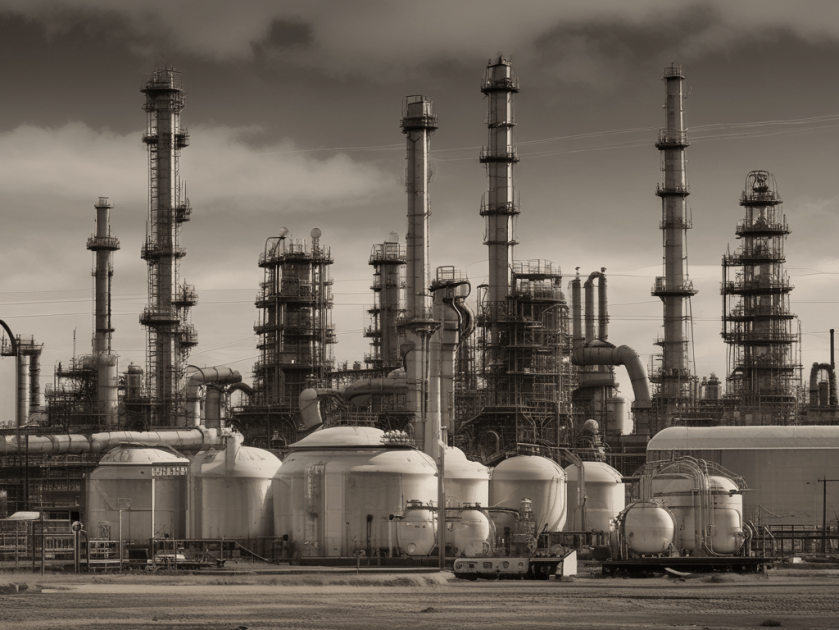
Oil Production and Refining in California
California has long been a significant player in the oil industry, both in terms of production and refining. Historically, the state was among the top oil producers in the United States, with massive fields like Kern River and Wilmington driving the economy. However, in recent years, California’s oil production has declined. In 2023, the state produced about 362,000 barrels of oil per day, making it the 7th largest oil-producing state in the U.S. This is a stark contrast to states like Texas, which produces over 5 million barrels per day, and even North Dakota, which produces around 1.1 million barrels daily.
Despite this decline in production, California remains a refining giant. The state refines more oil than it produces, processing around 1.7 million barrels of crude oil per day. This is largely due to the presence of major refineries along the coast, which are fed by imported crude oil from countries like Saudi Arabia, Ecuador, and Iraq. In fact, California imports over 70% of its crude oil, much of it coming through ports like Los Angeles and Long Beach.
Global Context: California vs. Other Countries
On a global scale, California’s oil production is modest. For example, Saudi Arabia produces over 10 million barrels per day, while Russia and the United States each produce around 11 million barrels daily. California’s refining capacity, however, puts it on par with some smaller oil-producing nations. For instance, it refines more oil than countries like the United Kingdom and Indonesia, highlighting its importance as a hub for petroleum products on the West Coast.
California’s Continued Reliance on Oil
California’s economy is deeply intertwined with oil, despite its progressive stance on environmental issues. The state is home to one of the largest automobile markets in the world, with over 30 million registered vehicles. The transportation sector accounts for more than 40% of the state’s greenhouse gas emissions, primarily due to gasoline and diesel consumption. Even with aggressive policies to promote electric vehicles (EVs), gasoline remains the dominant fuel.
Moreover, California’s vast agricultural industry, which feeds much of the country, relies heavily on oil for machinery, transportation, and synthetic fertilizers. The state’s ports, crucial to international trade, also depend on diesel-powered ships and trucks, further entrenching the reliance on fossil fuels.
Renewable Energy in California: Progress and Challenges
California has been a leader in renewable energy development, with ambitious goals to reduce its dependence on fossil fuels. The state generates a significant portion of its electricity from renewable sources, including solar, wind, geothermal, and hydropower. In 2022, renewables accounted for about 34% of California’s electricity generation, with solar power leading the way.
However, while this is a notable achievement, it still leaves room for improvement. To meet its target of 100% clean energy by 2045, California needs to accelerate its renewable energy production. This includes expanding utility-scale solar and wind projects, improving grid storage capacity, and upgrading transmission infrastructure. Additionally, electrifying transportation and industrial sectors will be crucial in reducing the state’s reliance on oil.
What More Needs to Be Done?
To eliminate fossil fuels, California must address several challenges:
- Infrastructure Investment: Expanding the capacity of renewable energy infrastructure, such as solar and wind farms, and improving energy storage systems will be critical. This also involves upgrading the electrical grid to handle increased demand and decentralizing energy production through microgrids.
- Transportation Electrification: Transitioning the transportation sector to electric vehicles is essential. California has set ambitious goals to phase out gasoline-powered vehicles, but achieving widespread adoption will require substantial investments in charging infrastructure, incentives for EV purchases, and improvements in battery technology.
- Decarbonizing Industry: Industries that rely heavily on fossil fuels, such as manufacturing and agriculture, need to transition to cleaner energy sources. This may involve adopting electric machinery, using renewable biofuels, and increasing energy efficiency.
- Public Policy and Incentives: Continued strong public policies, such as carbon pricing, renewable portfolio standards, and subsidies for clean energy technologies, will be crucial in driving the transition away from fossil fuels.
Conclusion
California’s oil production may have declined, but its reliance on oil remains strong due to the state’s economic structure and energy needs. While California is a leader in renewable energy, it still has a long way to go to eliminate fossil fuels entirely. Achieving this goal will require significant investments, technological advancements, and policy changes. However, with its history of environmental leadership, California is well-positioned to lead the way toward a cleaner, more sustainable energy future.
 Zero Waste California