
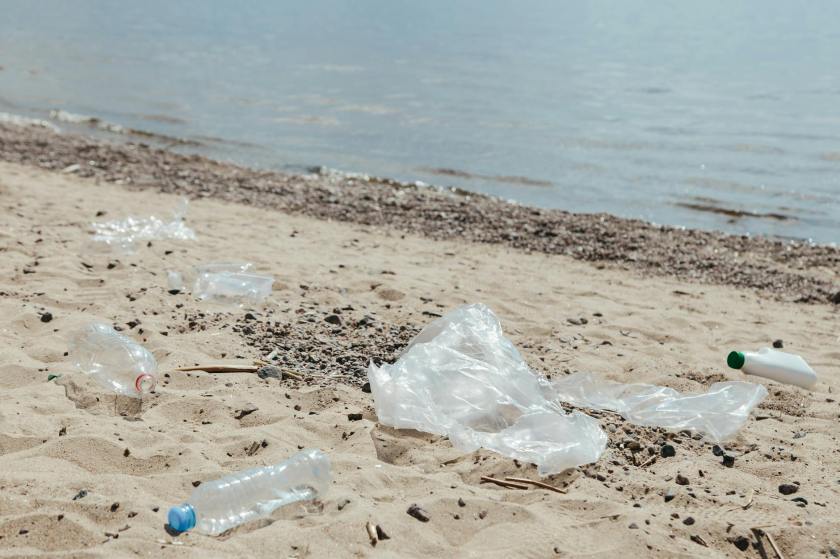
As of 2024, California’s coastline continues to face pollution challenges, with several beaches experiencing varying degrees of contamination. While pollution levels may fluctuate due to factors such as weather, urban runoff, and industrial activities, here are some of the most polluted beaches in California based on historical data and ongoing monitoring efforts:
- Avalon Beach
Avalon Beach, located on Catalina Island off the coast of Southern California, has faced pollution challenges primarily due to various factors, including urban runoff, sewage spills, and inadequate wastewater infrastructure. Here are some reasons why Avalon Beach may be polluted:
- Urban Runoff: Avalon Beach is susceptible to pollution from urban runoff, which occurs when rainwater flows over impervious surfaces such as roads, parking lots, and sidewalks, picking up pollutants along the way. These pollutants can include debris, chemicals, pet waste, and bacteria, which are then carried into nearby water bodies, including Avalon Harbor and surrounding beaches.
- Sewage Spills: Avalon’s wastewater infrastructure may be outdated or insufficient to handle the island’s population, particularly during peak tourist seasons. Sewage spills or overflows from malfunctioning sewage systems can release untreated wastewater directly into the marine environment, leading to contamination of coastal waters and beaches.
- Boating and Recreational Activities: Avalon Harbor is a popular destination for boating, fishing, and recreational activities, which can contribute to pollution through fuel spills, oil leaks, and improper waste disposal practices by boaters and visitors.
- Wildlife Waste: Avalon Beach may also be affected by wildlife waste, including bird droppings from seabirds and other marine animals. The accumulation of fecal matter can introduce harmful bacteria and pathogens into the water, increasing the risk of contamination.
- Limited Water Circulation: Avalon Harbor’s sheltered location and limited water circulation may exacerbate pollution issues by trapping pollutants within the harbor and adjacent coastal areas, prolonging their impact on water quality and beach health.
2. Poche Beach (Orange County):
Poche Beach, located in San Clemente, Orange County, has faced pollution challenges primarily due to urban runoff, stormwater pollution, and inadequate wastewater infrastructure. Here are some reasons why Poche Beach may be polluted:
- Urban Runoff: Like many urbanized coastal areas, Poche Beach is susceptible to pollution from urban runoff, which occurs when rainwater flows over impervious surfaces such as roads, parking lots, and sidewalks, picking up pollutants along the way. These pollutants can include debris, chemicals, pet waste, and bacteria, which are then carried into nearby water bodies, including Poche Beach.
- Stormwater Pollution: During rain events, stormwater runoff can carry a variety of pollutants from urban areas into nearby water bodies, including Poche Beach. These pollutants can include sediment, trash, chemicals, and bacteria, which can degrade water quality and pose risks to human health and marine life.
- Sewage Spills and Overflows: Poche Beach may also be affected by sewage spills or overflows from nearby wastewater infrastructure. Aging or inadequate sewage systems can fail during heavy rain events or periods of high flow, leading to the release of untreated or partially treated wastewater into the marine environment, contaminating coastal waters and beaches.
- Wildlife Waste: Poche Beach is located near estuarine and coastal habitats that support diverse wildlife populations. Bird droppings from seabirds and other marine animals can introduce bacteria and pathogens into the water, contributing to contamination and potential health risks for beachgoers.
- Limited Water Circulation: The sheltered location of Poche Beach and limited water circulation in the area may exacerbate pollution issues by trapping pollutants within the coastal zone, prolonging their impact on water quality and beach health.
3. Doheny State Beach (Orange County):
Doheny State Beach, located in Dana Point, Orange County, has faced pollution challenges primarily due to urban runoff, stormwater pollution, and historic contamination from nearby industrial activities. Here are some reasons why Doheny State Beach may be polluted:
- Urban Runoff: Doheny State Beach is situated in an urbanized coastal area, making it vulnerable to pollution from urban runoff. When rainwater flows over impervious surfaces such as roads, parking lots, and sidewalks, it can pick up pollutants such as debris, chemicals, pet waste, and bacteria. These pollutants are then carried into nearby water bodies, including Doheny State Beach, where they can degrade water quality and pose risks to human health and marine life.
- Stormwater Pollution: During rain events, stormwater runoff can carry various pollutants from urban areas into nearby water bodies, including Doheny State Beach. These pollutants can include sediment, trash, pesticides, fertilizers, heavy metals, and bacteria, which can contaminate coastal waters and impact beachgoers and wildlife.
- Historic Industrial Contamination: Doheny State Beach is located in an area with a history of industrial activities, including oil drilling and refining. Historic contamination from these activities, such as oil spills, leaks, and runoff from industrial sites, may have contributed to pollution in the surrounding marine environment, including Doheny State Beach.
- Sewage Spills and Overflows: Like many coastal areas, Doheny State Beach may be affected by sewage spills or overflows from nearby wastewater infrastructure. Aging or inadequate sewage systems can fail during heavy rain events or periods of high flow, leading to the release of untreated or partially treated wastewater into the marine environment, contaminating coastal waters and beaches.
- Limited Water Circulation: The sheltered location of Doheny State Beach and limited water circulation in the area may exacerbate pollution issues by trapping pollutants within the coastal zone, prolonging their impact on water quality and beach health.
4. Santa Monica Beach (Los Angeles County):
Santa Monica Beach, situated in Los Angeles County, faces pollution challenges due to various factors, including urban runoff, sewage spills, and the presence of pollutants from nearby urban and industrial activities. Here’s why Santa Monica Beach may be polluted and its effects on marine life:
- Urban Runoff: Santa Monica Beach is located in a densely populated urban area, making it susceptible to pollution from urban runoff. When rainwater flows over impervious surfaces such as roads, parking lots, and sidewalks, it picks up pollutants such as debris, chemicals, pet waste, and bacteria. These pollutants are then carried into nearby water bodies, including Santa Monica Bay, where they can degrade water quality and harm marine life.
- Sewage Spills and Overflows: Like many coastal areas, Santa Monica Beach may be affected by sewage spills or overflows from nearby wastewater infrastructure. Aging or inadequate sewage systems can fail during heavy rain events or periods of high flow, leading to the release of untreated or partially treated wastewater into the marine environment. Sewage spills introduce harmful bacteria, pathogens, and pollutants into coastal waters, posing risks to beachgoers and marine life.
- Stormwater Pollution: During rain events, stormwater runoff can carry various pollutants from urban areas into nearby water bodies, including Santa Monica Bay. These pollutants can include sediment, trash, pesticides, fertilizers, heavy metals, and hydrocarbons, which can contaminate coastal waters and negatively impact marine ecosystems.
- Industrial Activities: Santa Monica Beach is located near areas with a history of industrial activities, including oil drilling, shipping, and urban development. Pollutants from industrial sources, such as oil spills, chemical discharges, and runoff from industrial sites, may have contributed to pollution in Santa Monica Bay, affecting water quality and marine habitats.
Effects on Marine Life:
- Habitat Degradation: Pollution in Santa Monica Bay can degrade marine habitats, including coral reefs, seagrass beds, and rocky shores, which provide essential habitat and breeding grounds for a variety of marine species.
- Contamination: Pollutants such as heavy metals, hydrocarbons, and harmful chemicals can accumulate in the tissues of marine organisms, leading to bioaccumulation and biomagnification through the food chain. This can result in adverse health effects for marine life, including reproductive issues, immune suppression, and developmental abnormalities.
- Harm to Aquatic Species: Pollution in Santa Monica Bay can harm aquatic species, including fish, shellfish, marine mammals, and seabirds, through direct toxicity, habitat destruction, and disruption of ecological processes. Some species may suffer population declines or local extinctions due to pollution-related stressors.
5. Cowell Beach (Santa Cruz County):
Cowell Beach, located in Santa Cruz County, has faced pollution challenges primarily due to urban runoff, stormwater pollution, and fecal contamination from various sources. Here’s why Cowell Beach may be polluted and where the pollution comes from:
- Urban Runoff: Cowell Beach is situated in an urbanized area, making it susceptible to pollution from urban runoff. When rainwater flows over impervious surfaces such as roads, parking lots, and sidewalks, it picks up pollutants such as debris, chemicals, pet waste, and bacteria. These pollutants are then carried into nearby water bodies, including the San Lorenzo River and Monterey Bay, where they can degrade water quality and pose risks to human health and marine life.
- Stormwater Pollution: During rain events, stormwater runoff can carry various pollutants from urban areas into nearby water bodies, including Cowell Beach. These pollutants can include sediment, trash, pesticides, fertilizers, heavy metals, and bacteria, which can contaminate coastal waters and impact beachgoers and wildlife.
- Sewage Spills and Overflows: Cowell Beach may also be affected by sewage spills or overflows from nearby wastewater infrastructure. Aging or inadequate sewage systems can fail during heavy rain events or periods of high flow, leading to the release of untreated or partially treated wastewater into the marine environment. Sewage spills introduce harmful bacteria, pathogens, and pollutants into coastal waters, posing risks to beachgoers and marine life.
- Fecal Contamination: High levels of fecal contamination have been detected at Cowell Beach, which can originate from various sources, including human and animal waste. Sewage leaks, failing septic systems, urban wildlife, and pet waste can all contribute to fecal contamination of coastal waters, leading to health risks for swimmers and surfers.
- Historic Pollution Sources: Cowell Beach may also be impacted by historic pollution sources, including industrial activities, shipping, and urban development. Contaminants from these sources, such as heavy metals, hydrocarbons, and chemicals, may have accumulated in sediments and waterways over time, affecting water quality and marine habitats.
Homelessness in Santa Cruz can contribute to pollution at Cowell Beach, although it is not the sole factor. Homelessness can indirectly impact beach pollution through various mechanisms:
- Sanitation and Waste: Homeless individuals may lack access to proper sanitation facilities, leading to increased human waste in public areas, including beaches. Improper disposal of waste, including food wrappers, clothing, and personal belongings, can contribute to beach litter and pollution.
- Stormwater Runoff: Homeless encampments located near waterways, including rivers and streams that flow into the ocean, can generate additional pollution through stormwater runoff. Trash, debris, and contaminants from these areas can be carried by rainwater into nearby water bodies, including Cowell Beach.
- Social Services and Environmental Impact: Homeless populations may utilize public spaces, including beaches, for shelter, recreation, and social activities. Increased human activity in these areas can lead to habitat disturbance, erosion, and degradation of sensitive coastal ecosystems, which can indirectly contribute to pollution and environmental degradation.
- Health and Safety Concerns: Homelessness can exacerbate health and safety concerns for individuals living on the streets, including access to clean water, sanitation, and healthcare services. Lack of proper hygiene practices and sanitation facilities can increase the risk of disease transmission and contamination of public spaces, including beaches.
While homelessness is a complex social issue with multifaceted impacts, addressing the root causes and providing support services to vulnerable populations can help mitigate its indirect effects on beach pollution and environmental degradation. Collaborative efforts among local government agencies, community organizations, social service providers, and stakeholders are essential for developing comprehensive strategies to address homelessness, promote environmental stewardship, and protect coastal ecosystems like Cowell Beach in Santa Cruz.
6. Marina del Rey Beach (Los Angeles County):
Marina del Rey Beach, located in Los Angeles County, faces pollution challenges due to various factors, including urban runoff, sewage spills, and industrial activities. Here’s why Marina del Rey Beach may be polluted:
- Urban Runoff: Marina del Rey Beach is situated in an urbanized area with extensive impervious surfaces such as roads, parking lots, and sidewalks. When rainwater flows over these surfaces, it picks up pollutants such as debris, chemicals, pet waste, and bacteria. This polluted runoff is then carried into nearby water bodies, including Marina del Rey Harbor and the adjacent coastal waters, where it can degrade water quality and pose risks to human health and marine life.
- Stormwater Pollution: During rain events, stormwater runoff can carry various pollutants from urban areas into nearby water bodies, including Marina del Rey Beach. These pollutants can include sediment, trash, pesticides, fertilizers, heavy metals, and bacteria, which can contaminate coastal waters and impact beachgoers and wildlife.
- Sewage Spills and Overflows: Marina del Rey Beach may also be affected by sewage spills or overflows from nearby wastewater infrastructure. Aging or inadequate sewage systems can fail during heavy rain events or periods of high flow, leading to the release of untreated or partially treated wastewater into the marine environment. Sewage spills introduce harmful bacteria, pathogens, and pollutants into coastal waters, posing risks to beachgoers and marine life.
- Industrial Activities: Marina del Rey Beach is located near areas with a history of industrial activities, including shipping, boating, and urban development. Pollutants from industrial sources, such as oil spills, chemical discharges, and runoff from industrial sites, may have contributed to pollution in the surrounding marine environment, affecting water quality and marine habitats.
- Boating and Recreational Activities: Marina del Rey Harbor is a popular destination for boating, fishing, and recreational activities, which can contribute to pollution through fuel spills, oil leaks, and improper waste disposal practices by boaters and visitors.
7. San Francisco Bay Area Beaches:
The pollution of San Francisco Bay Area beaches can be attributed to a variety of factors, including urban runoff, industrial activities, sewage spills, and historical contamination. Here’s why these beaches may be polluted:
- Urban Runoff: San Francisco Bay Area beaches are situated in densely populated urban areas with extensive impervious surfaces such as roads, parking lots, and sidewalks. When rainwater flows over these surfaces, it picks up pollutants such as debris, chemicals, pet waste, and bacteria. This polluted runoff is then carried into nearby water bodies, including beaches along the bay, where it can degrade water quality and pose risks to human health and marine life.
- Industrial Activities: The San Francisco Bay Area has a history of industrial activities, including manufacturing, shipping, and urban development. Pollutants from industrial sources, such as oil spills, chemical discharges, and runoff from industrial sites, may have contributed to pollution in the surrounding marine environment, affecting water quality and marine habitats.
- Sewage Spills and Overflows: Like many coastal areas, San Francisco Bay Area beaches may be affected by sewage spills or overflows from nearby wastewater infrastructure. Aging or inadequate sewage systems can fail during heavy rain events or periods of high flow, leading to the release of untreated or partially treated wastewater into the marine environment. Sewage spills introduce harmful bacteria, pathogens, and pollutants into coastal waters, posing risks to beachgoers and marine life.
- Historical Contamination: The San Francisco Bay Area has a legacy of pollution from historical activities, including mining, agriculture, and urban development. Contaminants such as heavy metals, hydrocarbons, and chemicals may have accumulated in sediments and waterways over time, affecting water quality and marine ecosystems.
- Recreational Activities: San Francisco Bay Area beaches are popular destinations for recreational activities such as swimming, surfing, and fishing. Increased human activity in these areas can lead to littering, pollution from sunscreen and other personal care products, and habitat disturbance, which can degrade water quality and harm marine life.
Conclusion:
It’s important to note that beach pollution levels can vary over time and may be impacted by seasonal factors, weather events, and human activities. Ongoing monitoring, pollution prevention efforts, and community engagement are essential for protecting California’s beaches and coastal ecosystems from pollution and ensuring safe recreational opportunities for residents and visitors alike.
 Zero Waste California