

The sun-kissed shores of our beaches provide a picturesque backdrop for relaxation and recreation, but beneath the surface lies a mounting problem: ocean pollution. From plastic bottles to cigarette butts, beach litter not only tarnishes the natural beauty of our coastlines but also poses a grave threat to marine life and ecosystems. Organizing a beach clean-up is a proactive way to combat this environmental menace and make a tangible difference in our communities. In this article, we’ll explore the importance of beach clean-ups, how pollution enters the ocean from beaches, and practical tips for organizing and promoting a successful clean-up event.
The Last Line of Defense: Beaches and Ocean Pollution
Beaches serve as the final barrier between land-based litter and the vast expanse of the ocean. Unfortunately, they also serve as a primary entry point for pollutants such as plastic debris, cigarette butts, and abandoned fishing gear. Wind, tides, and stormwater runoff carry these pollutants from streets, parks, and coastal developments, depositing them onto our beaches and ultimately into the ocean. Once in the marine environment, these pollutants pose serious threats to marine life, from entanglement and ingestion to habitat destruction and chemical contamination.
The Need for Community Action: Beach Clean-Ups
While municipal services may provide periodic beach clean-up efforts, the sheer scale of ocean pollution necessitates community involvement. Many cities do not have the resources or staffing to adequately clean beaches on a regular basis, leaving them susceptible to accumulating litter. Beach clean-ups empower individuals and communities to take proactive steps in protecting our coastlines and marine ecosystems. By removing litter from beaches, we not only improve aesthetics but also prevent harmful pollutants from entering the ocean and endangering marine life.
California’s Most Polluted Beaches:
As of 2024, California’s coastline continues to face pollution challenges, with several beaches experiencing varying degrees of contamination. While pollution levels may fluctuate due to factors such as weather, urban runoff, and industrial activities, here are some of the most polluted beaches in California based on historical data and ongoing monitoring efforts:
- Avalon Beach (Catalina Island): Avalon Beach, located on Catalina Island, has been plagued by high levels of bacterial contamination, primarily from urban runoff and sewage spills. Despite efforts to improve water quality, Avalon Beach remains on the list of California’s most polluted beaches.
- Poche Beach (Orange County): Poche Beach in San Clemente, Orange County, has faced persistent pollution issues due to urban runoff and stormwater pollution. High levels of fecal bacteria have prompted health advisories and beach closures, impacting recreational activities and public health.
- Doheny State Beach (Orange County): Doheny State Beach, also located in Orange County, has struggled with pollution from stormwater runoff, sewage spills, and nearby urban development. Elevated bacteria levels have led to frequent beach closures and advisories, affecting visitors and wildlife.
- Santa Monica Beach (Los Angeles County): Despite efforts to improve water quality, Santa Monica Beach in Los Angeles County continues to experience pollution challenges, including bacterial contamination from urban runoff, sewage leaks, and pollution from nearby storm drains.
- Cowell Beach (Santa Cruz County): Cowell Beach in Santa Cruz County has been identified as one of California’s most polluted beaches, with high levels of bacterial contamination attributed to urban runoff, sewage spills, and wildlife waste. Efforts to address pollution have included beach clean-up initiatives and water quality monitoring.
- Marina del Rey Beach (Los Angeles County): Marina del Rey Beach, located in Los Angeles County, has faced pollution issues from urban runoff, industrial discharges, and recreational boating activities. Contaminants such as bacteria, trash, and chemicals have prompted health advisories and environmental concerns.
- San Francisco Bay Area Beaches: Several beaches along the San Francisco Bay Area coastline, including Ocean Beach, Baker Beach, and Crissy Field, have experienced pollution from urban runoff, sewage overflows, and industrial activities. Efforts to address pollution in the Bay Area have focused on stormwater management and pollution prevention measures.
It’s important to note that beach pollution levels can vary over time and may be impacted by seasonal factors, weather events, and human activities. Ongoing monitoring, pollution prevention efforts, and community engagement are essential for protecting California’s beaches and coastal ecosystems from pollution and ensuring safe recreational opportunities for residents and visitors alike.
Organizing a Beach Clean-Up: Tips and Strategies
- Choose a Location and Date: Select a beach in need of cleaning and determine a suitable date for the event, taking into account weather conditions and tide schedules.
- Gather Supplies: Coordinate with local organizations, businesses, or government agencies to obtain supplies such as gloves, trash bags, and litter pickers. Consider partnering with environmental nonprofits or beach conservation groups for additional support.
- Recruit Volunteers: Spread the word about the clean-up event through social media, community bulletin boards, and local newspapers. Encourage friends, family, neighbors, schools, and community groups to join in the effort.
- Educate Participants: Provide information about the impact of ocean pollution and the importance of proper waste disposal. Offer tips on reducing single-use plastics and promoting sustainable behaviors.
- Safety First: Ensure the safety of volunteers by providing sunscreen, hats, and plenty of drinking water. Establish safety guidelines, such as proper lifting techniques and avoiding hazardous materials.
- Document and Celebrate: Take photos and videos during the clean-up to document the impact of the event. Recognize and celebrate the efforts of volunteers with a post-clean-up gathering or appreciation ceremony.
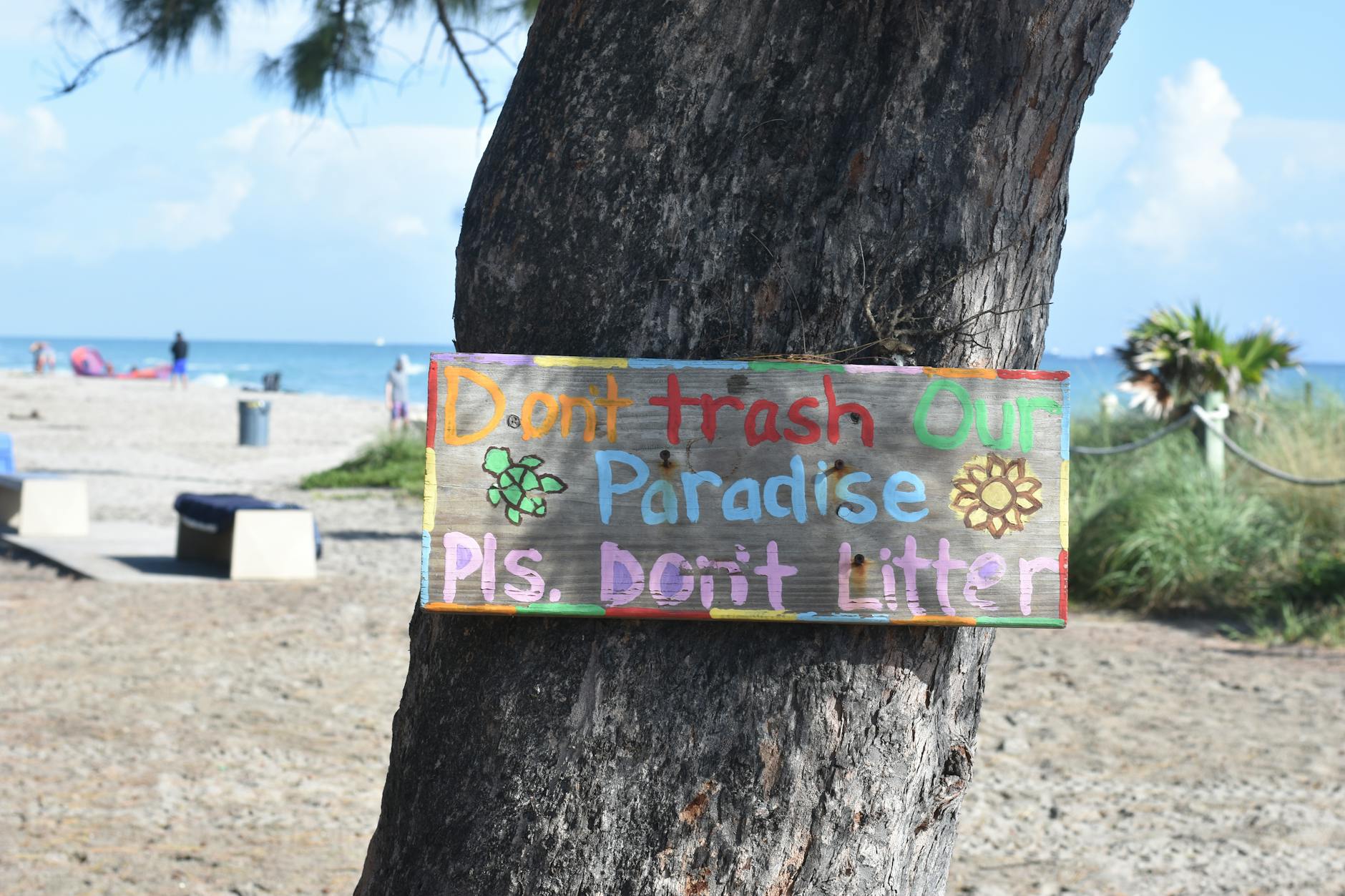
Spreading the Word: Mobilizing Community Support
- Utilize Social Media: Create event pages on platforms like Facebook, Instagram, and Twitter to reach a wider audience. Share updates, photos, and success stories to inspire others to join the cause.
- Partner with Local Businesses: Collaborate with nearby businesses, restaurants, and hotels to promote the clean-up event and encourage participation among employees and patrons.
- Engage Schools and Youth Groups: Reach out to schools, colleges, and youth organizations to organize educational outreach programs and student-led clean-up initiatives.
- Leverage Community Events: Attend local festivals, farmers’ markets, and environmental fairs to raise awareness about beach clean-ups and recruit volunteers.
- Foster Long-Term Engagement: Encourage participants to stay involved beyond the clean-up event by joining ongoing beach monitoring programs, advocating for policy changes, and supporting marine conservation efforts.
By organizing a beach clean-up and mobilizing community support, we can work together to safeguard our beaches, protect marine life, and preserve the beauty of our oceans for generations to come. Together, we can turn the tide against ocean pollution and create a cleaner, healthier planet for all.
 Zero Waste California