

In the ever-evolving landscape of fashion, the phenomenon known as fast fashion continues to shape consumer habits, industry practices, and environmental sustainability efforts. As we delve into 2024, let’s explore how fast fashion has progressed, the emerging trends, the persistent challenges it faces, and the increasing focus on sustainability.
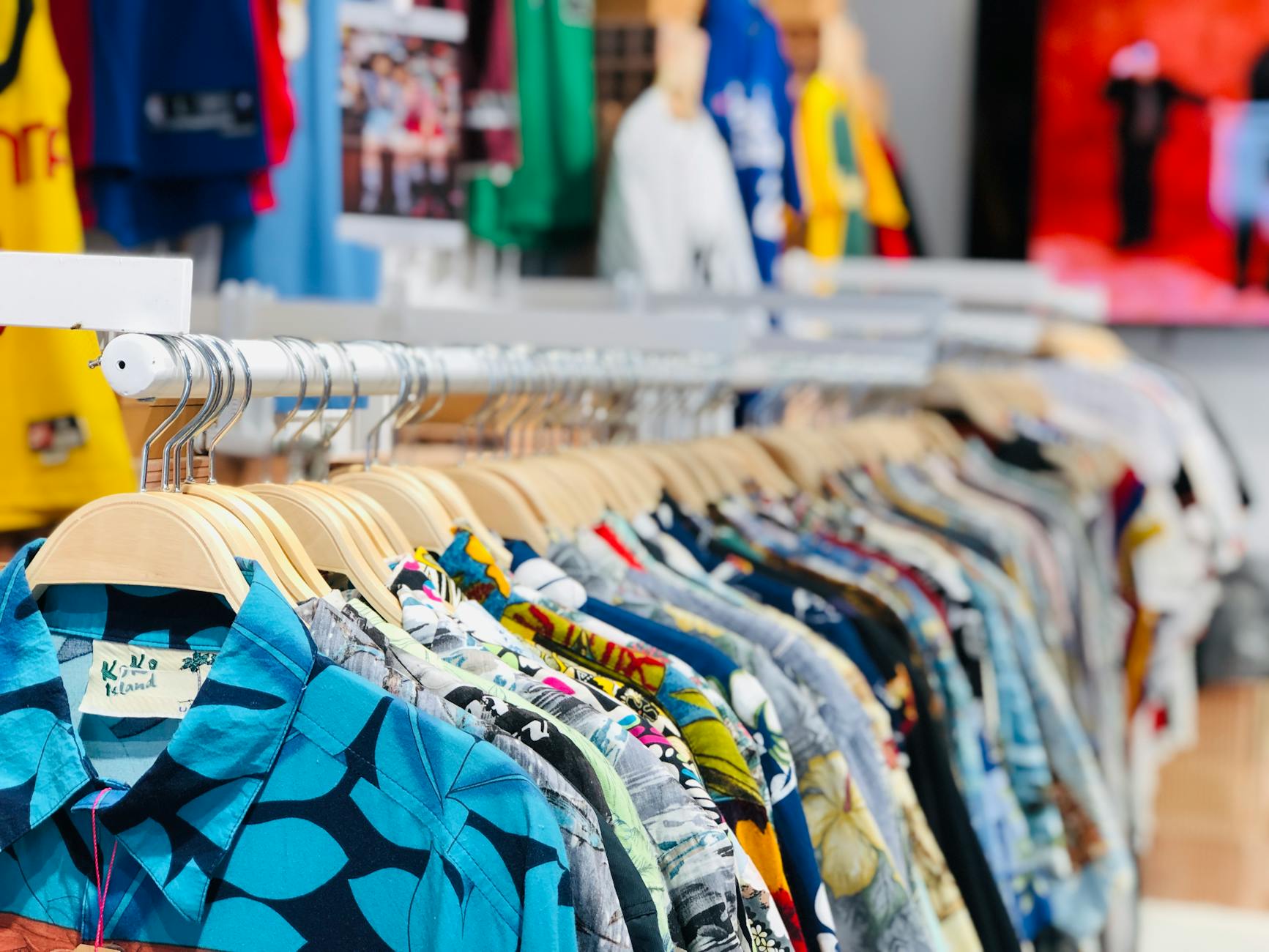
Fast fashion, as a business model, prioritizes rapid production and turnover of inexpensive clothing to meet consumer demand for trendy styles at low prices. However, this approach comes with significant environmental consequences. The fast fashion industry is one of the largest contributors to pollution, resource depletion, and waste generation globally.
Here are some key environmental issues associated with fast fashion:
- Excessive Resource Consumption: Fast fashion companies require vast amounts of natural resources, including water, energy, and raw materials such as cotton, polyester, and viscose. The production of these materials often involves intensive agricultural practices, chemical usage, and water-intensive processes, leading to habitat destruction, water pollution, and ecosystem degradation.
- Pollution from Production Processes: The manufacturing of textiles and clothing involves the use of numerous chemicals, dyes, and finishes, many of which are toxic and harmful to human health and the environment. Chemical runoff from textile factories contaminates waterways, soil, and air, posing risks to ecosystems and communities living in proximity to production facilities.
- Waste Generation: Fast fashion’s emphasis on quick turnover and disposable clothing contributes to a culture of overconsumption and waste. Many garments are discarded after only a few wears, leading to vast amounts of textile waste ending up in landfills or incinerators. Synthetic fibers, such as polyester and nylon, are particularly problematic as they are non-biodegradable and can persist in the environment for hundreds of years.
- Carbon Emissions: The transportation of materials and finished garments across global supply chains generates significant carbon emissions, contributing to climate change. Additionally, the energy-intensive processes involved in textile production, such as spinning, weaving, dyeing, and finishing, further exacerbate the industry’s carbon footprint.
- Social and Economic Impacts: The fast fashion industry is also associated with labor exploitation, poor working conditions, and human rights abuses in garment factories, particularly in low-wage countries where regulations are lax. Workers, many of whom are women and migrants, often endure long hours, low wages, and unsafe working conditions to meet production targets and deadlines.
Addressing the environmental and social impacts of fast fashion requires systemic change across the entire industry, including brands, consumers, policymakers, and regulatory bodies. Efforts to promote sustainability, transparency, and ethical practices must be prioritized to mitigate the harmful effects of fast fashion on the planet and its inhabitants.
Rapid Trends and Constant Innovation
In 2024, fast fashion brands are embracing technology and data analytics to stay ahead of rapidly changing trends. With the rise of social media and influencer culture, brands are leveraging real-time insights to identify emerging styles and preferences, enabling them to swiftly produce and distribute new collections to meet consumer demand.
Moreover, advancements in artificial intelligence and 3D printing are revolutionizing the design and manufacturing processes, allowing for faster prototyping and customization. This agility in production has enabled fast fashion brands to shorten lead times and bring runway-inspired designs to market in record time, captivating consumers with the allure of instant gratification.
Challenges Amidst Growth
Despite its undeniable popularity, fast fashion faces a myriad of challenges in 2024. One pressing issue is the growing awareness of its environmental and social impacts. From excessive resource consumption and pollution to labor exploitation and poor working conditions in garment factories, the dark side of fast fashion is under heightened scrutiny from consumers, activists, and regulatory bodies alike.
Additionally, the rise of the circular economy and the push for greater transparency in supply chains are placing pressure on fast fashion brands to rethink their business models and embrace more sustainable practices. This shift towards sustainability is not only driven by ethical considerations but also by changing consumer preferences, as more individuals prioritize brands that align with their values and beliefs.
The Rise of Sustainable Fashion
In response to mounting concerns over sustainability, many fast fashion brands are taking steps to integrate eco-friendly materials, reduce waste, and support ethical labor practices. From introducing organic cotton and recycled polyester into their collections to implementing recycling and take-back programs, brands are beginning to recognize the importance of sustainability as a competitive differentiator and a moral imperative.
Moreover, collaborations between fast fashion giants and sustainable fashion startups are on the rise, fostering innovation and driving positive change across the industry. By leveraging each other’s strengths and expertise, these partnerships are paving the way for a more sustainable future for fashion.

Fast Fashion Violators List 2024
As of 2024, identifying the “worst” polluting clothing companies in terms of fast fashion can be challenging due to the complex and opaque nature of supply chains and environmental impact assessments. However, several companies have faced criticism and scrutiny for their environmental practices and contribution to pollution. It’s important to note that rankings may vary depending on criteria such as carbon emissions, water usage, chemical usage, and waste generation. Here are some companies that have been subject to criticism for their environmental impact:
- H&M Group: While H&M has made efforts to improve sustainability, it continues to face criticism for its fast fashion business model, which relies on high-volume production and frequent turnover of inventory, leading to significant resource consumption and waste generation.
- Zara (Inditex Group): Zara, known for its rapid production and distribution model, has been accused of contributing to environmental degradation through excessive water usage, chemical pollution, and the disposal of unsold garments.
- Fashion Nova: This fast-growing online retailer has faced allegations of unsustainable practices, including overproduction, poor waste management, and reliance on low-cost, environmentally harmful materials.
- Boohoo Group: Boohoo and its associated brands have been criticized for their fast fashion approach, which prioritizes speed and low prices over environmental sustainability. The company has faced accusations of contributing to pollution and exploitation in its supply chain.
- Shein: This fast-fashion e-commerce giant has come under fire for its opaque supply chain, use of non-biodegradable materials, and environmental impact resulting from rapid production and shipping.
- Primark: Primark has been accused of promoting a disposable fashion culture through its low-priced, high-volume model, which encourages frequent purchases and discarding of garments, leading to increased waste.
- Forever 21: While Forever 21 filed for bankruptcy in 2019 and has since undergone restructuring, it previously faced criticism for its fast fashion practices, including overproduction, poor labor conditions, and environmental impact.
- ASOS: ASOS has been scrutinized for its fast fashion model, which relies on constant turnover of inventory and production of low-cost garments, contributing to environmental degradation and waste.
It’s essential to note that while these companies have been singled out for their environmental impact, the fashion industry as a whole faces systemic challenges that require collective action to address. Efforts to improve sustainability and reduce pollution must involve collaboration among brands, consumers, policymakers, and industry stakeholders.
Looking Forward
As we navigate the complexities of fast fashion in 2024 and beyond, it is clear that addressing its environmental and social impacts requires a collaborative effort from all stakeholders. Brands, consumers, policymakers, and industry organizations must work together to drive systemic change and create a fashion industry that is both profitable and sustainable.
For fast fashion brands, this entails embracing transparency, investing in sustainable materials and practices, and fostering a culture of accountability throughout their supply chains. Consumers, on the other hand, play a crucial role in driving demand for ethical and sustainable fashion by making informed purchasing decisions, supporting brands that prioritize sustainability, and advocating for greater industry regulation.
In conclusion, while fast fashion continues to evolve and innovate in 2024, it is imperative that we confront the challenges it poses and strive towards a more sustainable and ethical future for fashion. By embracing innovation, transparency, and collective action, we can create a fashion industry that not only delights consumers but also respects the planet and its people.
 Zero Waste California