

In an era of increasing environmental awareness and concerns about food sustainability, growing your own food has emerged as a practical and rewarding solution. Not only does it reduce reliance on packaged produce and lower greenhouse gas emissions associated with transportation, but it also empowers individuals to take control of their food supply and make informed choices about pesticide use. However, for gardeners contending with deer, protecting edible plants can be a real challenge. In this article, we explore the benefits of growing your own food and provide a list of deer-resistant edible plants, including herbs, vegetables, fruit, nut trees, and fruit trees.
The Benefits of Growing Your Own Food
Growing your own food offers numerous benefits, both for individuals and the environment. By cultivating a garden, you can:
- Reduce Waste: Growing your own food eliminates the need for packaged produce, reducing plastic waste and carbon emissions associated with transportation.
- Promote Sustainability: Home gardens promote sustainable agriculture practices, such as composting, water conservation, and organic gardening methods.
- Control Pesticide Use: When you grow your own food, you have control over what, if any, pesticides are used on your crops, reducing exposure to harmful chemicals.
- Enjoy Fresh, Nutritious Produce: Homegrown fruits, vegetables, and herbs are often fresher and more nutritious than store-bought counterparts, as they can be harvested at peak ripeness.
Deer: A Real Problem for Gardens
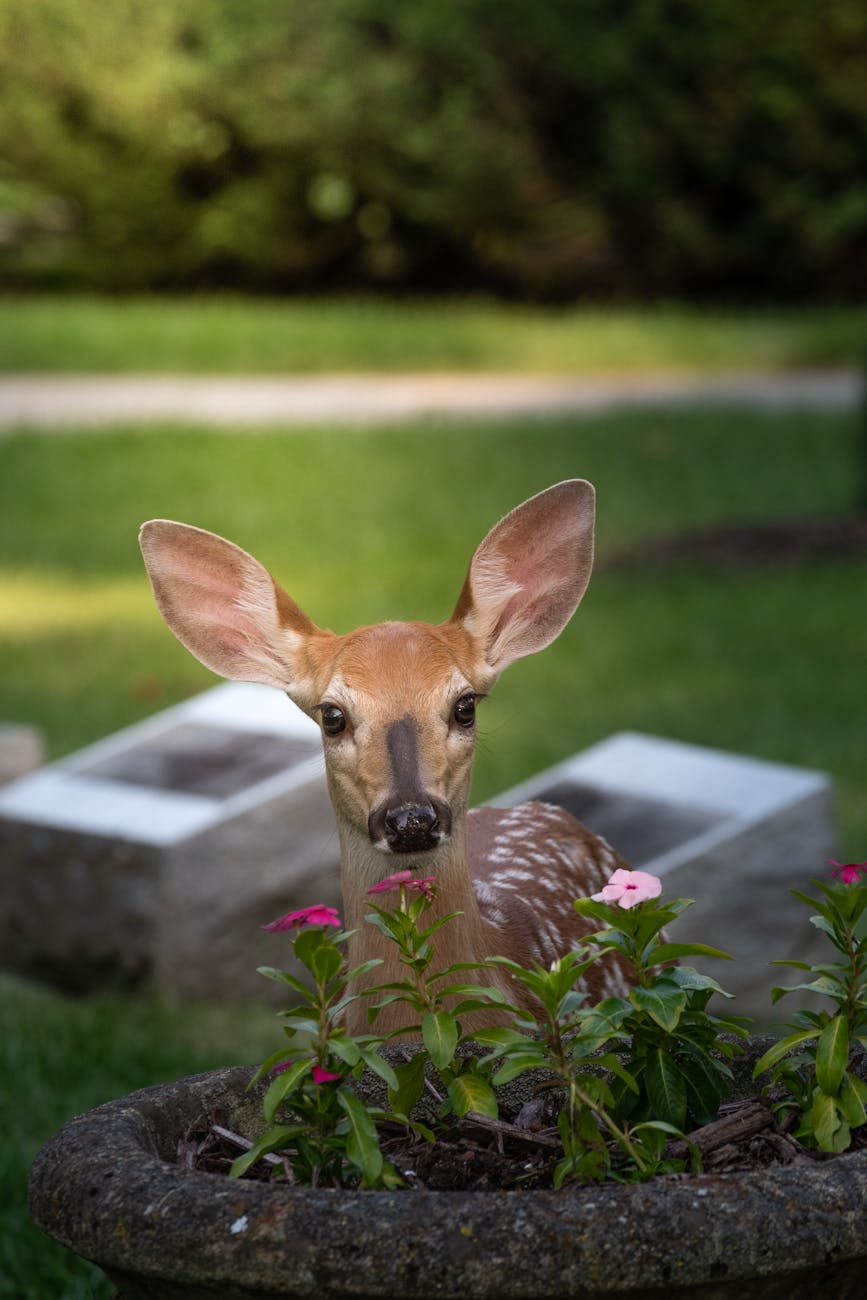
While growing your own food offers many benefits, gardeners often face challenges from wildlife, particularly deer. Deer can wreak havoc on gardens, devouring tender shoots, leaves, and fruits with alarming efficiency. For gardeners in areas with high deer populations, finding deer-resistant plants is essential to protecting their harvests and preserving their hard work.
Deer-Resistant Edible Plants
Fortunately, there are many edible plants that deer tend to avoid due to their strong flavors, textures, or toxic properties. Here is a list of deer-resistant edible plants to consider for your garden:
Herbs:
- Lavender
- Rosemary
- Thyme
- Sage
- Mint
Vegetables:
- Garlic
- Onions
- Peppers (hot varieties)
- Artichokes
- Asparagus
Fruit:
- Blueberries
- Raspberries
- Blackberries
- Kiwi
- Gooseberries
Nut Trees:
- Walnut
- Pecan
- Hazelnut
- Chestnut
- Almond (bitter varieties)
Fruit Trees:
- Fig
- Persimmon
- Quince
- Medlar
- Pawpaw
By incorporating deer-resistant edible plants into your garden, you can enjoy a bountiful harvest while minimizing damage from wildlife. Additionally, employing deterrents such as fencing, motion-activated sprinklers, or natural repellents can further protect your crops from deer browsing.
Conclusion
Growing your own food is not only a rewarding and sustainable practice but also a way to mitigate the environmental impact of conventional agriculture. By choosing deer-resistant edible plants for your garden, you can safeguard your harvests and enjoy the benefits of fresh, nutritious produce without the worry of deer damage. Whether you’re a seasoned gardener or just starting out, incorporating deer-resistant plants into your garden can help ensure a successful and enjoyable growing season.
 Zero Waste California