

Potatoes, the unassuming tuber, have been a staple food for centuries, beloved for their versatility, affordability, and nutritional value. From crispy fries to creamy mashed potatoes, this humble vegetable finds its way into countless dishes worldwide. Yet, beyond its culinary prowess, potatoes harbor a secret: they possess regenerative powers, allowing enthusiasts to grow new spuds from old ones with a simple process. Let’s delve into the remarkable versatility of potatoes and unlock the secrets of regrowing them from the comfort of your own home.
The Versatility of Potatoes: A Culinary Playground
Potatoes are like blank canvases awaiting the stroke of culinary genius. Boil, mash, bake, fry, or roast – the possibilities are endless. They serve as the foundation for numerous iconic dishes across cultures:
- French Fries: Crispy on the outside, fluffy on the inside, and irresistible to all ages.
- Mashed Potatoes: Velvety smooth, buttery, and comforting, they elevate any meal, from weekday dinners to holiday feasts.
- Potato Salad: A summertime favorite, combining potatoes with mayo, mustard, and crunchy vegetables for a refreshing side dish.
- Baked Potatoes: A blank canvas for toppings like sour cream, chives, cheese, and bacon bits, offering a satisfying meal or hearty side.
- Potato Gnocchi: Pillowy dumplings made from potato, flour, and egg, served with a variety of sauces for a taste of Italy.
But the potato’s prowess extends beyond the kitchen. Did you know that you can regrow potatoes from old ones, ushering in a cycle of sustainability and self-sufficiency?
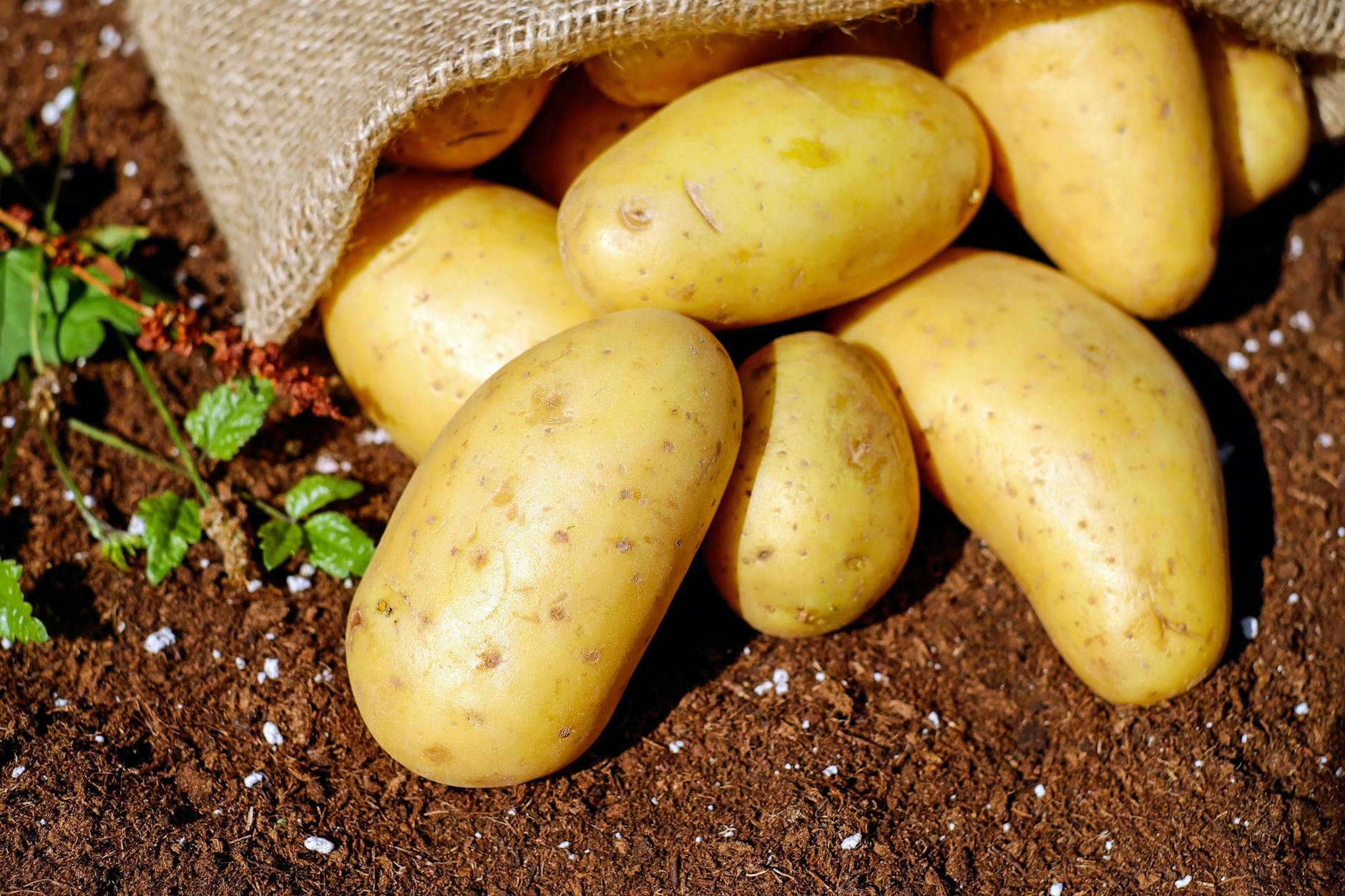
Step-by-Step Guide to Regrowing Potatoes
Re-growing potatoes from old spuds is a simple and rewarding process. Here’s a step-by-step guide to get you started:
Step 1: Choose Your Potato: Select a healthy, organic potato with several “eyes” – the small indentations on its surface where new shoots will emerge.
Step 2: Cut the Potato: Using a clean knife, carefully cut the potato into chunks, ensuring each piece has at least one or two eyes. Allow the cut pieces to air dry for a day to prevent rotting.
Step 3: Prepare the Soil: Choose a sunny spot in your garden or a large container with drainage holes. Loosen the soil and enrich it with compost or aged manure to provide nutrients for your growing potatoes.
Step 4: Plant the Potatoes: Place the potato pieces, eyes facing upward, about 4 inches deep into the soil or container. Space them 8-12 inches apart to allow room for growth.
Step 5: Water and Maintain: Keep the soil consistently moist but not waterlogged. As the potato plants grow, mound soil or mulch around the stems to encourage more tuber development and protect the potatoes from sunlight, which can turn them green and bitter.
Step 6: Harvest Your Potatoes: In about 10-12 weeks, the potato plants will flower and begin to die back. This is the time to harvest your homegrown potatoes! Carefully dig around the plants to unearth the tubers, being mindful not to damage them.
Step 7: Enjoy Your Bounty: Clean your freshly harvested potatoes and let your culinary creativity run wild! Whether roasted, mashed, or fried, there’s no shortage of delicious ways to savor the fruits of your labor.
Conclusion
Potatoes are not just a kitchen staple; they’re a symbol of resilience and regeneration. From their diverse culinary applications to their ability to sprout new life from old spuds, potatoes continue to inspire and nourish us in remarkable ways. So next time you enjoy a hearty potato dish, remember the journey these humble tubers have taken – from the soil to your plate and back again, embodying the cycle of sustenance and growth.
 Zero Waste California