
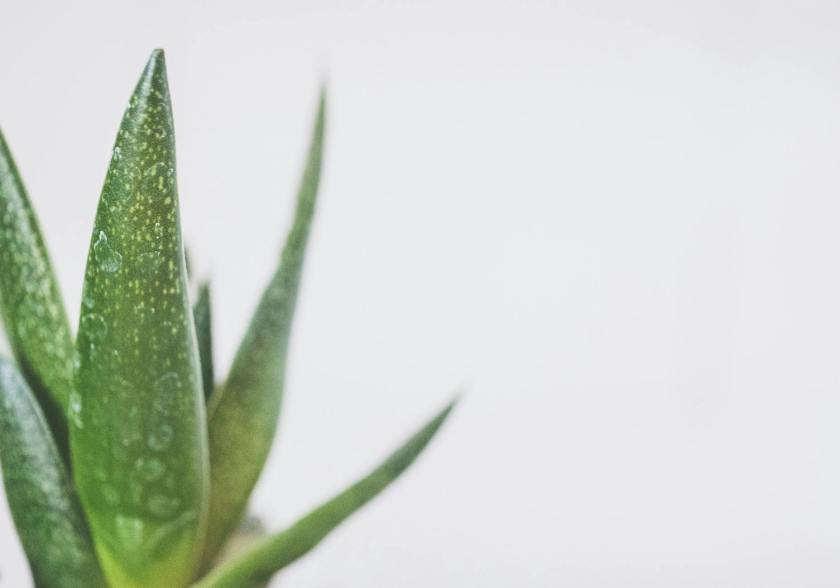
Aloe vera, a succulent plant with spiky leaves brimming with a gel-like substance, has earned a reputation as a skincare superhero and a versatile landscaping solution. Revered for its soothing properties and ability to thrive in diverse climates, aloe vera offers a plethora of benefits for both skin health and sustainable gardening practices. In this article, we explore the wonders of aloe for skin, its role in sunburn relief, its potential in grass-free lawns, and provide a comprehensive guide on growing aloe in different zones.
The Skin Benefits of Aloe Vera
For centuries, civilizations worldwide have prized aloe vera for its medicinal properties, particularly in skincare. Here are some of the key benefits:
- Hydration and Moisturization: Aloe vera gel is rich in water content, making it an excellent natural moisturizer. It penetrates deep into the skin, providing hydration without leaving a greasy residue.
- Soothing Irritation: The cooling properties of aloe vera make it an ideal remedy for soothing skin irritation, including minor burns, insect bites, and rashes. It helps reduce inflammation and redness, promoting faster healing.
- Anti-Aging Effects: Aloe vera is packed with antioxidants, including vitamins A, C, and E, which help combat free radicals and prevent premature aging. Regular application can improve skin elasticity and minimize the appearance of fine lines and wrinkles.
- Acne Treatment: The antimicrobial properties of aloe vera make it effective in fighting acne-causing bacteria. It helps reduce inflammation associated with acne breakouts while gently moisturizing the skin.
Aloe Vera for Sunburn Relief
One of the most well-known uses of aloe vera is in treating sunburns. Its cooling, anti-inflammatory properties provide instant relief from sun-damaged skin. Here’s how to use aloe vera for sunburn relief:
- Harvest Aloe Gel: Cut a mature leaf from the base of the aloe plant. Slice it open lengthwise to reveal the gel-filled interior.
- Apply the Gel: Scoop out the gel using a spoon or knife and apply it directly to the sunburned skin. Gently massage the gel into the skin until fully absorbed.
- Repeat as Needed: Reapply the aloe vera gel several times a day to keep the skin hydrated and promote healing. Store any unused gel in the refrigerator for future use.
Aloe Vera in Grass-Free Lawns
In regions where water conservation is a priority or where grass struggles to thrive, aloe vera can be an eco-friendly alternative for landscaping. Aloe’s low water requirements, resilience to drought, and minimal maintenance make it an attractive option for creating lush, green spaces without traditional grass lawns. Additionally, its spiky foliage adds texture and visual interest to outdoor environments.
Growing Aloe Vera: A Step-by-Step Guide
Whether you live in a warm, arid climate or a cooler, more temperate zone, aloe vera can flourish with proper care. Here’s a step-by-step guide to growing aloe vera in different zones:
Zone 9-11 (Warm Climates):
- Choose a Sunny Spot: Select a location with full sun exposure, such as a south-facing window or outdoor garden bed.
- Use Well-Draining Soil: Plant aloe vera in well-draining soil, such as a cactus or succulent mix, to prevent root rot.
- Water Sparingly: Allow the soil to dry out between waterings, as aloe vera is drought-tolerant and prone to rot if overwatered.
- Protect from Frost: If temperatures drop below freezing, bring potted aloe plants indoors or cover them with frost cloth to prevent damage.
Zone 4-8 (Cooler Climates):
- Grow Indoors: In cooler climates, aloe vera thrives as a houseplant. Place pots in a sunny window with at least six hours of sunlight daily.
- Provide Adequate Drainage: Use a well-draining potting mix and ensure containers have drainage holes to prevent waterlogged soil.
- Monitor Temperature: Aloe vera prefers temperatures above 50°F (10°C) and may require additional warmth during colder months.
- Reduce Watering: Water aloe plants sparingly, allowing the soil to dry out partially between waterings. Overwatering can lead to root rot.
Conclusion
Aloe vera’s multifaceted benefits extend from skincare to sustainable landscaping, making it a valuable addition to any home. Whether soothing sunburned skin or adorning a grass-free lawn, this resilient plant offers a natural solution for enhancing both personal wellness and environmental consciousness. With proper care and cultivation, aloe vera thrives in diverse climates, bringing greenery and healing properties to homes around the world.
 Zero Waste California