
As concerns about climate change and environmental degradation intensify, corporations are increasingly under scrutiny for their contributions to these pressing issues. Nestlé, one of the world’s largest food and beverage companies, has come under fire for its role in exacerbating climate change and perpetuating environmental injustices. From allegations of water theft in impoverished regions to the proliferation of plastic pollution, Nestlé’s practices raise serious concerns about corporate accountability and sustainability. In this article, we delve into Nestlé’s environmental impact, exploring its controversial water practices, plastic pollution, and the far-reaching consequences for people and the planet.
Water Theft and Exploitation
Nestlé’s water extraction practices have sparked outrage and controversy around the world, particularly in regions where water resources are scarce or vulnerable. The company has been accused of exploiting water sources in impoverished communities, often with little regard for environmental sustainability or local water security.
In some cases, Nestlé has faced allegations of water theft, where it extracts water from natural springs and aquifers without proper permits or consultation with local stakeholders. This has led to conflicts with indigenous communities and environmental activists who view Nestlé’s actions as a violation of their rights and a threat to their way of life.
Moreover, the extraction of water by Nestlé and other beverage companies can exacerbate water scarcity in already water-stressed regions, further marginalizing vulnerable communities and compromising their access to clean and safe drinking water.
The Emergence of Water Mafias
The commodification of water by companies like Nestlé has also given rise to the phenomenon of water mafias – organized criminal networks that control access to water resources and engage in illegal water extraction and distribution. These shadowy entities exploit the demand for water in regions where access to clean water is limited, often resorting to violence and corruption to maintain their dominance.
By perpetuating a system of water scarcity and inequity, Nestlé inadvertently fuels the growth of water mafias, further exacerbating social unrest and environmental degradation in affected communities.
Selling Water at What Cost?
While Nestlé profits from the sale of bottled water under brands like Poland Spring, Pure Life, and Arrowhead, the true cost of this commodification of water extends far beyond the price tag. Bottled water is often sold at a premium, generating hefty profits for Nestlé while exacerbating plastic pollution and environmental degradation.
Furthermore, the production and distribution of bottled water contribute to greenhouse gas emissions and energy consumption, further exacerbating Nestlé’s carbon footprint and climate change impact.
Plastic Pollution: A Global Menace
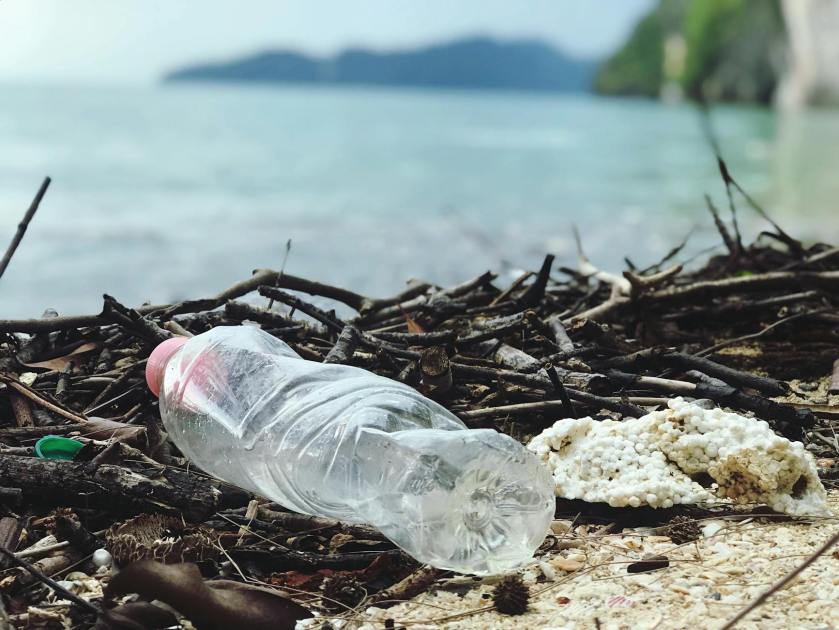
In addition to its controversial water practices, Nestlé is also a major contributor to plastic pollution, with its packaging found littered across the planet. Single-use plastic bottles, wrappers, and packaging from Nestlé products end up in landfills, waterways, and oceans, posing a threat to marine life and ecosystems.
Despite commitments to reduce plastic waste and increase recycling rates, Nestlé continues to rely heavily on plastic packaging, contributing to the global plastic crisis and perpetuating a linear, throwaway economy.
Conclusion
Nestlé’s environmental impact extends far beyond its corporate boardrooms, affecting communities, ecosystems, and future generations. From allegations of water theft and exploitation to the proliferation of plastic pollution, Nestlé’s practices highlight the urgent need for corporate accountability and systemic change.
As consumers, activists, and concerned citizens, it is incumbent upon us to hold Nestlé and other corporations accountable for their actions and advocate for sustainable and equitable solutions to the pressing environmental challenges we face. Only through collective action and systemic reform can we build a more just and sustainable future for all.
 Zero Waste California