
Plastics have become an indispensable part of modern life, serving as essential components in everything from packaging to electronics. Yet, many are unaware of the intricate process that transforms crude oil, a fossil fuel extracted from the depths of the Earth, into the versatile polymers that comprise plastic. In this article, we delve into the step-by-step journey of oil to plastic, shedding light on the complex chemical processes involved in this transformation.
Step 1: Extraction of Crude Oil
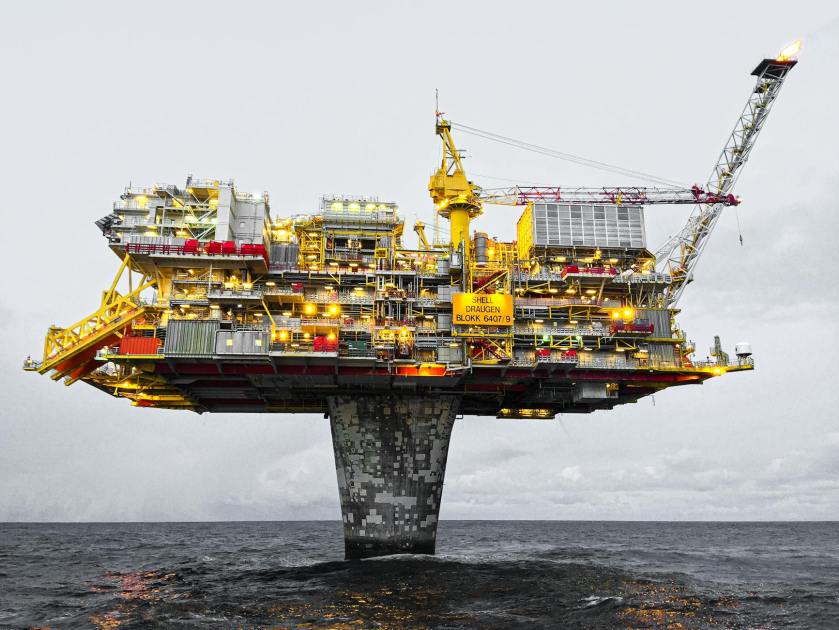
The journey begins deep underground, where vast reservoirs of crude oil lie trapped beneath layers of rock and sediment. Oil exploration and extraction involve drilling wells into these reservoirs and pumping the crude oil to the surface. This crude oil is a mixture of hydrocarbons, consisting primarily of compounds such as methane, ethane, propane, and butane.
Step 2: Refining Crude Oil
Once extracted, crude oil undergoes a refining process to separate its various components. This process, known as fractional distillation, takes advantage of the differences in boiling points among hydrocarbon molecules. The crude oil is heated in a fractional distillation tower, causing it to vaporize. As the vapors rise through the tower, they cool and condense at different levels, allowing for the collection of distinct fractions such as gasoline, diesel, jet fuel, and petroleum gas.
Step 3: Cracking and Polymerization
To produce the building blocks of plastic, certain fractions obtained from crude oil undergo additional processing steps, including cracking and polymerization. Cracking involves breaking down larger hydrocarbon molecules into smaller ones through the application of heat and pressure. This produces compounds such as ethylene and propylene, which serve as the monomers, or individual units, for plastic production.
Polymerization is the next crucial step, where these monomers are chemically bonded together to form long chains known as polymers. Various catalysts and reaction conditions are employed to control the structure and properties of the resulting polymers, giving rise to a wide range of plastic materials with distinct characteristics.
Step 4: Formulation and Processing
Once the polymers are synthesized, they are often compounded with additives to enhance their performance and functionality. Additives may include stabilizers to prevent degradation, plasticizers to impart flexibility, colorants for visual appeal, and fillers to improve strength and durability.
The compounded plastic resin is then processed into its final form using techniques such as extrusion, injection molding, blow molding, or thermoforming. These processes shape the molten plastic into a variety of products, ranging from bottles and containers to automotive parts and electronics casings.
Step 5: Distribution and Consumption
After manufacturing, the finished plastic products are distributed to consumers through various channels, including retail stores, wholesalers, and online platforms. Plastics have become ubiquitous in our daily lives, found in virtually every sector, from food packaging and construction to healthcare and transportation.
Conclusion
The journey of oil to plastic is a complex and multifaceted process that underscores the interconnectedness of our modern industrial economy. While plastics offer unparalleled convenience and versatility, their production and consumption also carry significant environmental and social implications, from resource depletion and pollution to waste management challenges.
As we navigate the complexities of the plastics lifecycle, it’s essential to recognize the importance of responsible consumption, innovation in materials science, and sustainable practices that minimize the environmental footprint of plastic production and usage. By understanding the journey of oil to plastic, we can better appreciate the interconnectedness of our actions and strive towards a more sustainable future for generations to come.
 Zero Waste California