
In the quest for sustainable energy solutions, geothermal energy has emerged as a promising contender. Unlike solar or wind power, which rely on external factors like sunlight and wind, geothermal energy taps into the Earth’s natural heat to generate electricity and heat buildings. In this article, we delve into what geothermal energy is, how it is installed, its environmental benefits, and its role as a key component in the transition away from fossil fuels towards renewable energy sources.
What is Geothermal Energy?
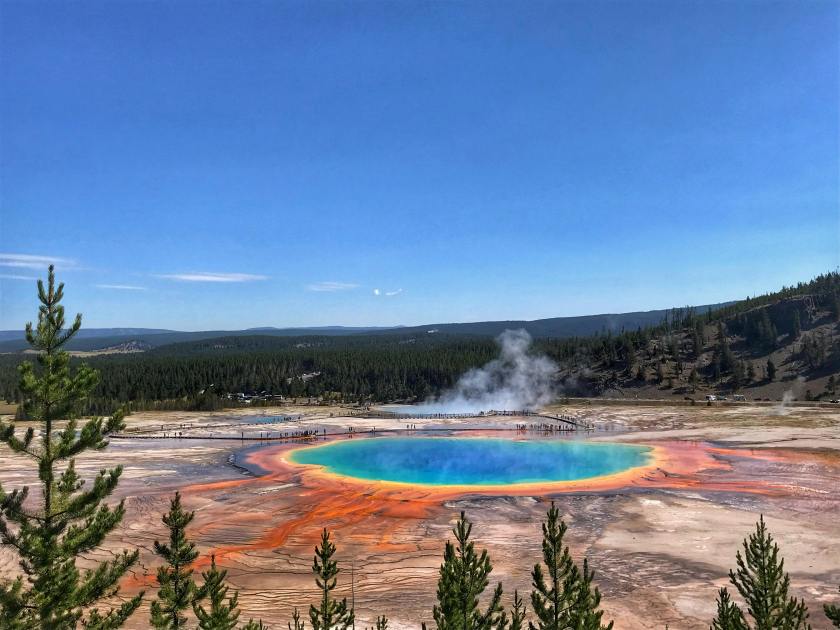
Geothermal energy harnesses the heat stored beneath the Earth’s surface. This heat originates from the Earth’s core, where temperatures can reach several thousand degrees Celsius due to radioactive decay and residual heat from the planet’s formation. This thermal energy gradually moves towards the surface through conduction, creating geothermal reservoirs of hot water and steam in certain regions.
How is Geothermal Energy Installed?
The installation of geothermal energy systems typically involves drilling wells into the Earth to access the geothermal reservoirs. There are different types of geothermal power plants, including dry steam, flash steam, and binary cycle plants, each suited to different geological conditions.
In dry steam power plants, high-pressure steam from underground reservoirs is directly used to drive turbines, generating electricity. Flash steam plants utilize high-pressure hot water from the reservoirs, which is then flashed into steam to drive turbines. Binary cycle plants, on the other hand, use a closed-loop system where hot water from the reservoir heats a secondary fluid with a lower boiling point, such as isobutane or isopentane, to produce steam and drive turbines.
For residential and commercial heating and cooling applications, geothermal heat pumps are used. These systems circulate a fluid (usually water or a mixture of water and antifreeze) through underground pipes, called ground loops, to exchange heat with the Earth. In the winter, heat is extracted from the ground and transferred to buildings, while in the summer, heat is extracted from buildings and transferred to the ground.
Environmental Benefits of Geothermal Energy:
Geothermal energy offers numerous environmental benefits compared to conventional fossil fuels. Firstly, it is a renewable energy source, as the Earth’s heat is continuously replenished. Unlike fossil fuels, which emit greenhouse gases and contribute to climate change, geothermal energy produces minimal greenhouse gas emissions when properly managed.
Furthermore, geothermal power plants have a small physical footprint and can operate continuously, providing reliable baseload power without the intermittency associated with solar and wind energy. This reliability makes geothermal energy a valuable complement to other renewable energy sources in a diversified energy portfolio.
Geothermal energy also has the potential to reduce dependence on imported fossil fuels, enhancing energy security and promoting economic growth. Additionally, geothermal resources are widely distributed globally, offering the potential for widespread adoption and localized energy production.
Geothermal Energy as Part of the Renewable Energy Transition:
While geothermal energy holds great promise as a clean and sustainable energy source, it is just one piece of the puzzle in the transition away from fossil fuels. To effectively combat climate change and achieve a carbon-neutral future, a diverse array of renewable energy sources must be harnessed and integrated into the energy system.
Solar and wind power, for example, offer complementary benefits to geothermal energy. Solar energy is abundant and scalable, with the potential for distributed generation and rooftop installations. Wind energy, meanwhile, is cost-effective and can be deployed both onshore and offshore to harness strong wind resources.
Hydropower, biomass, and tidal energy are additional renewable resources that can contribute to a cleaner and more sustainable energy mix. By diversifying energy sources and investing in energy storage, grid modernization, and energy efficiency measures, societies can reduce reliance on fossil fuels and transition towards a more resilient and environmentally friendly energy system.
Conclusion:
Geothermal energy represents a valuable asset in the transition towards a low-carbon energy future. By tapping into the Earth’s natural heat, geothermal power offers a reliable, renewable, and environmentally friendly alternative to conventional fossil fuels. However, to fully realize the potential of geothermal energy and other renewable resources, concerted efforts and investments are needed to overcome technical, economic, and policy challenges. By embracing a diversified and integrated approach to renewable energy deployment, societies can pave the way for a more sustainable and equitable future for generations to come.
 Zero Waste California