

While California is renowned for its progressive environmental policies and commitment to renewable energy, it is also a major player in the oil industry. Despite efforts to transition to cleaner energy sources, California ranks among the top oil-producing states in the U.S. This article explores California’s role in oil production, the practice of fracking, its environmental impacts, and the challenges it poses to the state’s environmental goals.
1. California’s Oil Production Ranking
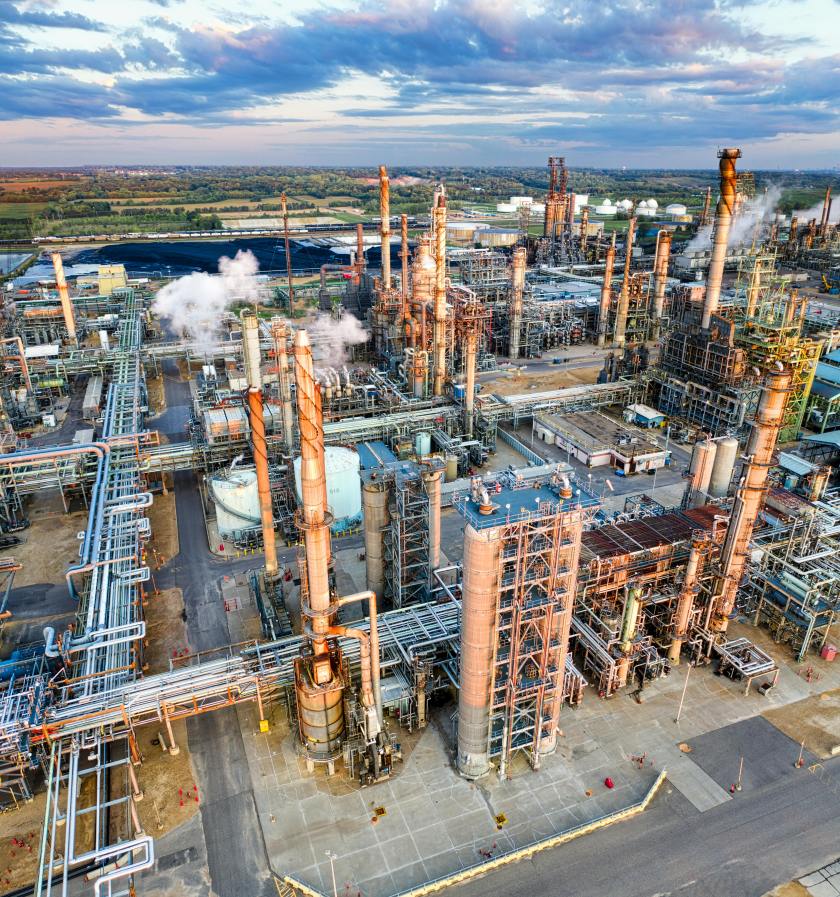
California is the fourth-largest oil-producing state in the United States, trailing only Texas, North Dakota, and Alaska. The state’s oil industry dates back to the late 19th century and has grown significantly over the decades. California’s diverse geography, including onshore and offshore oil reserves, contributes to its status as a major oil producer.
2. Fracking in California
Fracking, short for hydraulic fracturing, is a controversial oil and gas extraction method that involves injecting water, chemicals, and sand into underground rock formations to release oil and natural gas. In California, fracking has been used primarily in the Central Valley and Southern California regions to extract oil from shale formations. Despite opposition from environmentalists and communities, fracking operations continue in certain parts of the state.
3. Environmental Impacts of Fracking
Fracking poses numerous environmental risks and concerns, including:
- Water Contamination: Fracking operations can contaminate groundwater and surface water with toxic chemicals used in the fracking fluid, as well as naturally occurring pollutants. This poses a threat to drinking water supplies and ecosystems.
- Air Pollution: Fracking activities release volatile organic compounds (VOCs), methane, and other air pollutants, contributing to poor air quality and health problems in nearby communities. This disproportionately affects low-income and minority communities living near fracking sites.
4. Seismic Activity and Earthquakes
Fracking has been linked to an increase in seismic activity, including earthquakes, particularly in areas where injection wells are used to dispose of wastewater generated during the fracking process. In California, there have been instances of induced earthquakes associated with fracking operations, raising concerns about potential damage to infrastructure and public safety.
5. Air Quality Concerns
The air quality impacts of fracking include the release of methane, a potent greenhouse gas, as well as VOCs and other pollutants that contribute to smog formation and respiratory problems. In California’s Central Valley, which is home to significant fracking activity, poor air quality exacerbates health disparities and environmental justice issues in communities already burdened by pollution.
6. Did California Ban Fracking?
Although fracking is still legal in California, there have been significant restrictions and limitations imposed on its use in certain jurisdictions. Here are some key points regarding the status of fracking in California:
- Moratoriums and Local Bans: Several California counties and municipalities have enacted moratoriums or outright bans on fracking within their jurisdictions. For example, Santa Cruz County, Monterey County, and Butte County have passed measures to prohibit fracking on both public and private lands. These local bans reflect community concerns about the potential environmental and health impacts of fracking activities.
- Regulatory Measures: In addition to local bans, the California state government has implemented regulatory measures to address the risks associated with fracking. In 2013, the California Department of Conservation’s Division of Oil, Gas, and Geothermal Resources (DOGGR) adopted regulations requiring operators to obtain permits and disclose information about fracking activities, including the chemicals used in the process. These regulations also include requirements for monitoring and testing of groundwater near fracking sites.
- Governor’s Orders: In September 2019, then-Governor Gavin Newsom signed Assembly Bill 1057, which imposed a temporary moratorium on new permits for fracking and high-pressure steam injection wells in California pending the completion of independent scientific studies on the impacts of these practices. The moratorium was intended to provide time for state agencies to assess the risks and develop additional regulations to protect public health and the environment.
- Public Pressure and Environmental Concerns: The push for restrictions on fracking in California has been driven by grassroots activism, environmental advocacy groups, and concerned citizens who are alarmed by the potential risks associated with the practice. Concerns over water contamination, air pollution, habitat disruption, and the contribution of fossil fuels to climate change have galvanized support for stricter regulation and oversight of oil and gas extraction activities.
It’s important to note that while there have been efforts to restrict fracking in California, the practice continues to be permitted in certain areas under existing regulations. However, the ongoing debate over the environmental and public health impacts of fracking, coupled with growing awareness of the need to transition to cleaner energy sources, may influence future policy decisions regarding the regulation of oil and gas extraction activities in the state.
Conclusion:
California’s position as a major oil producer presents complex challenges for the state’s environmental goals and commitments to combat climate change. While efforts are underway to transition to cleaner energy sources, the continued use of fracking and oil extraction poses significant environmental risks and threatens public health. Addressing these challenges will require comprehensive regulation, investment in renewable energy alternatives, and greater public awareness of the impacts of fossil fuel extraction on California’s environment and communities.
Sources:
California and Big Oil are splitting after century-long affair https://www.reuters.com/sustainability/climate-energy/california-big-oil-are-splitting-after-century-long-affair-2024-01-29
Draft Impact Report December 2023 (https://files.ceqanet.opr.ca.gov/267351-3/attachment/6iTvvU1LIZ0zUkVBddN9QaDaE1DVUKbt3VioinUOghSU41qhYhZHU3ZiSVu-gZkT-oJ6XTOcXJl-AeD00)
California Department of Conservation – “Hydraulic Fracturing in California” – https://www.conservation.ca.gov/calgem/general_information/Pages/HydraulicFracturing.aspx
United States Geological Survey (USGS) – “Induced Earthquakes and Hydraulic Fracturing” – https://www.usgs.gov/natural-hazards/earthquake-hazards/science/induced-earthquakes-and-hydraulic-fracturing
Newsom Pulls Plug on New Fracking Projects https://www.independent.com/2019/11/19/newsom-pulls-plug-on-new-fracking-projects/
 Zero Waste California