
In recent years, the concept of zero waste has gained significant traction as individuals and communities seek to minimize their environmental impact and promote sustainability. From its humble beginnings to its current status as a global movement, the history of zero waste is a testament to human ingenuity, resourcefulness, and commitment to a more sustainable future. This article explores the evolution of zero waste practices throughout history, highlighting key milestones, influential figures, and the modern-day relevance of the zero waste movement.
1. Origins of Zero Waste: Ancient Practices and Traditions
Zero waste principles have deep roots in ancient cultures and indigenous traditions, where resource conservation and waste reduction were integral to sustainable living. For example, indigenous communities in various parts of the world practiced composting, reuse, and recycling long before the term “zero waste” was coined. Ancient civilizations such as the Greeks and Romans also implemented rudimentary waste management systems, including public baths and aqueducts for water reuse.
Sources:
- “Zero Waste: A Short History” by the Zero Waste International Alliance – https://zwia.org/what-is-zero-waste/zw-history/
2. Early Modern Era: Industrialization and Waste Management Challenges
The advent of the Industrial Revolution in the 18th and 19th centuries brought about significant changes in production methods and consumption patterns, leading to a surge in waste generation. Rapid urbanization and industrialization presented unprecedented waste management challenges, prompting the development of municipal sanitation systems and waste disposal methods. However, these early efforts often prioritized convenience over sustainability, contributing to pollution and environmental degradation.
Sources:
- “Garbage and the Goddess: The Role of Waste in the Early Modern World” by Arthur P. Clark – https://www.jstor.org/stable/40469754
- “The Evolution of Waste Management” by Waste Management World – https://waste-management-world.com/a/the-evolution-of-waste-management
3. Rise of Modern Environmentalism: The Birth of the Zero Waste Movement
The 20th century witnessed the emergence of modern environmentalism and the recognition of waste as a pressing environmental issue. Influential figures such as Rachel Carson, author of “Silent Spring,” and environmental organizations like Greenpeace and Friends of the Earth played key roles in raising awareness about pollution and advocating for sustainable practices. In the 1970s, the term “zero waste” began to gain prominence as a goal for waste reduction and resource conservation.
Sources:
- “Silent Spring” by Rachel Carson – https://www.goodreads.com/book/show/27333.Silent_Spring
- “The Zero Waste Solution” by Paul Connett – https://www.goodreads.com/book/show/18486327-the-zero-waste-solution
4. Evolution of Zero Waste Strategies: From Reduce, Reuse, Recycle to Circular Economy
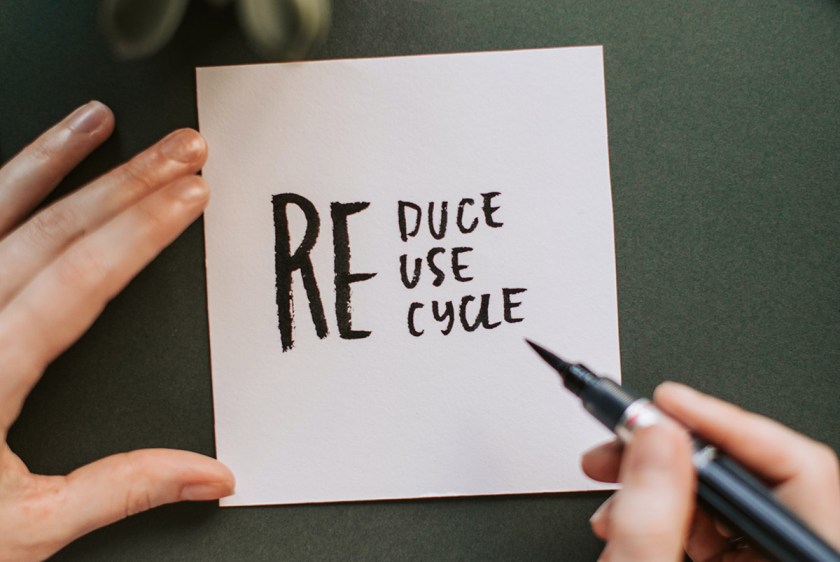
The principles of zero waste are based on the “3Rs” hierarchy: reduce, reuse, recycle. In recent decades, however, the concept of zero waste has evolved to encompass a broader framework known as the circular economy. The circular economy aims to eliminate waste and promote the continual use of resources through strategies such as product redesign, resource recovery, and extended producer responsibility. This holistic approach prioritizes the design of products and systems that minimize waste generation and maximize resource efficiency.
Sources:
- “The Circular Economy: A User’s Guide” by Walter R. Stahel – https://www.goodreads.com/book/show/25290354-the-circular-economy
- Ellen MacArthur Foundation – https://www.ellenmacarthurfoundation.org/
5. Modern-Day Applications and Challenges: Implementing Zero Waste Practices
Today, the zero waste movement continues to gain momentum as individuals, businesses, and governments embrace sustainable practices and seek alternatives to traditional waste management methods. Zero waste initiatives range from community-based composting programs to corporate sustainability pledges aimed at reducing packaging waste. However, challenges such as consumer behavior, infrastructure limitations, and economic incentives remain barriers to achieving widespread adoption of zero waste principles.
Sources:
- Zero Waste International Alliance – https://zwia.org/
- “The Zero Waste Lifestyle” by Amy Korst – https://www.goodreads.com/book/show/22870893-the-zero-waste-lifestyle
Conclusion:
The history of zero waste is a testament to humanity’s capacity for innovation and adaptation in the face of environmental challenges. From ancient traditions to modern-day initiatives, the journey towards zero waste reflects a growing awareness of the interconnectedness of human activities and the natural world. By embracing the principles of zero waste and transitioning to more sustainable practices, we can work towards a healthier planet and a brighter future for generations to come.
 Zero Waste California