
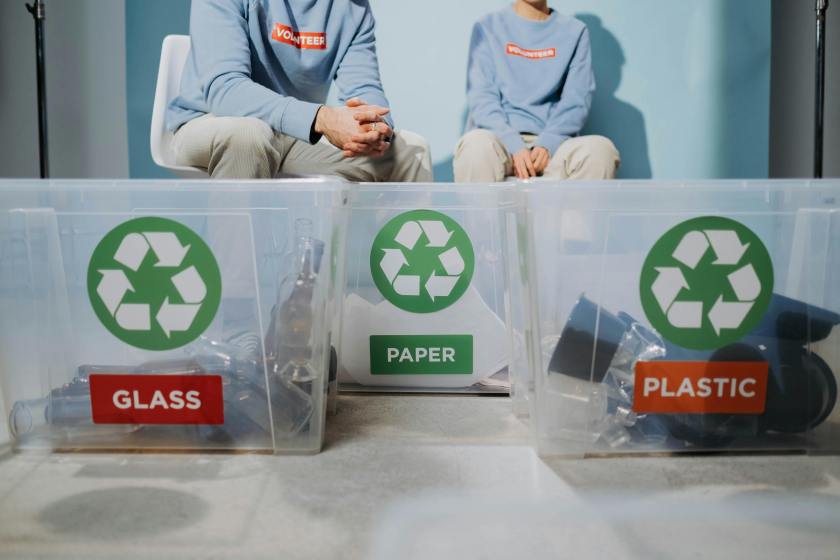
In modern consumer societies, the responsibility for disposing of packaging materials often falls squarely on the shoulders of the consumer. Corporations, society, and governments alike perpetuate this trend, placing undue burden on individuals while absolving themselves of accountability. Despite efforts to promote recycling as a solution, its effectiveness is limited by various factors, including consumer behavior, energy and water consumption, and the finite nature of recycling. This essay delves into the ways in which corporations, society, and government institutions perpetuate the disposal responsibility of packaging onto consumers, explores the shortcomings of recycling, and advocates for the implementation of a closed-loop system to address package pollution at its source.
Corporations, Society, and Government: Disposal Responsibility
Corporations often prioritize profit margins over environmental stewardship, opting for cheap, disposable packaging materials that contribute to pollution and waste. Society, influenced by consumer culture and convenience, perpetuates the cycle of waste generation through excessive consumption and disposal. Government policies and regulations, while promoting recycling and waste management, often fail to hold corporations accountable for their environmental impact, shifting the responsibility onto individual consumers.
Ineffectiveness of Recycling
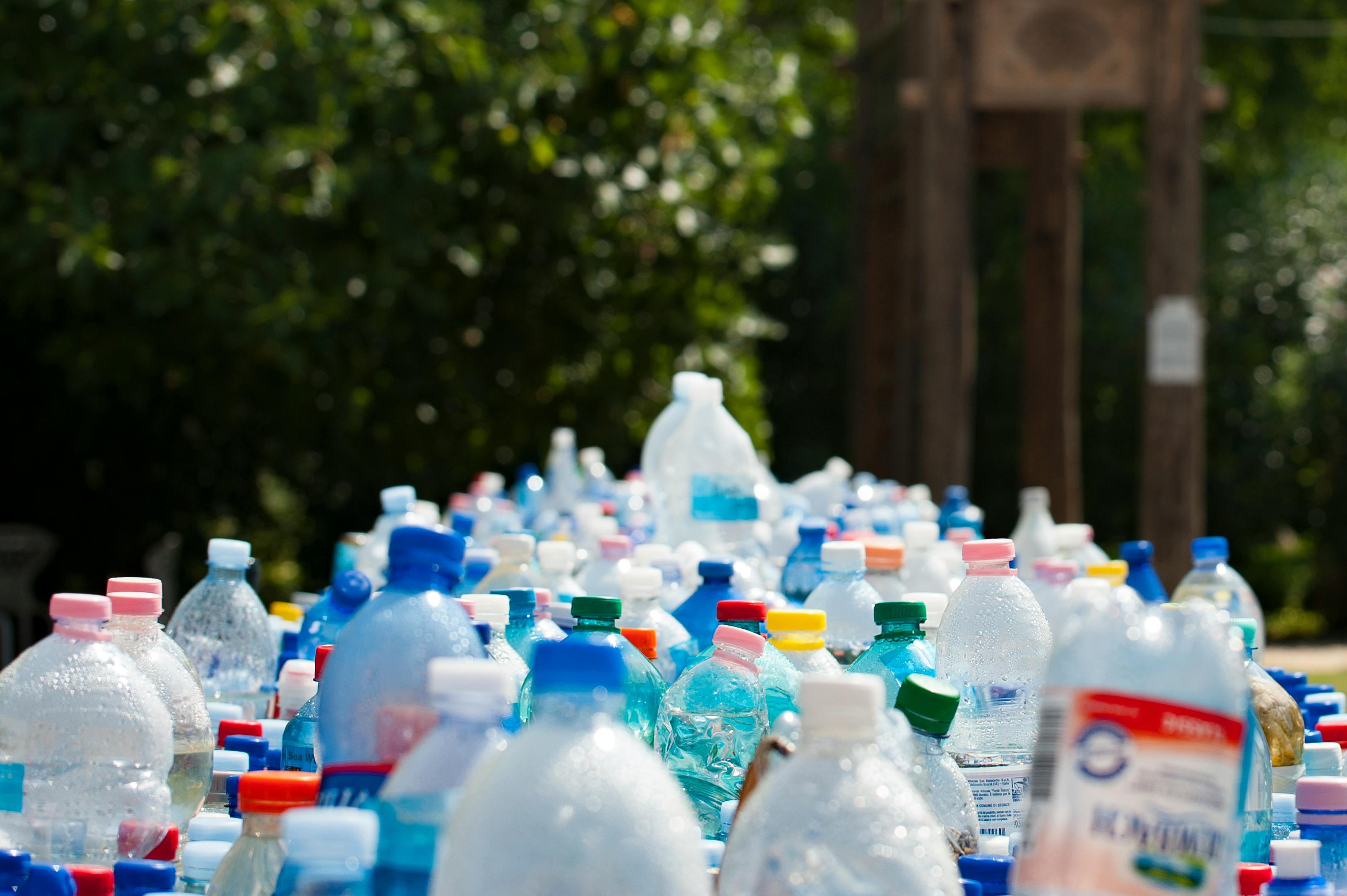
While recycling is often touted as a solution to reduce waste and promote sustainability, its effectiveness is limited by several factors. Some people simply do not prioritize recycling, despite incentives or awareness campaigns, leading to low participation rates and contamination of recycling streams. Additionally, recycling processes require significant energy and water consumption, contributing to environmental impacts and resource depletion. Moreover, certain materials, such as plastic, have limited recyclability and degrade in quality with each recycling cycle, rendering them ultimately unrecyclable.
Closed-Loop System: A Sustainable Solution
A closed-loop system, also known as circular economy, is a regenerative approach to resource management in which materials are reused, recycled, or repurposed to minimize waste and maximize resource efficiency. In a closed-loop system, corporations are tasked with taking back their packaging materials for reuse or recycling, thereby assuming responsibility for the entire lifecycle of their products. This approach encourages innovation, incentivizes sustainable design, and reduces dependency on finite resources.
Advantages of a Closed-Loop System
Implementing a closed-loop system would hold corporations accountable for their environmental impact, incentivizing sustainable packaging practices and reducing waste generation. By requiring companies to take back their packaging materials, a closed-loop system promotes product stewardship and encourages the development of innovative solutions, such as reusable packaging, compostable materials, and alternative delivery models. Additionally, a closed-loop system would alleviate the burden on consumers, making it easier for individuals to make sustainable choices without sacrificing convenience.
Conclusion
The current approach to packaging disposal, which places the responsibility on individual consumers, is unsustainable and ineffective in addressing the root causes of package pollution. By shifting the burden onto corporations through the implementation of a closed-loop system, we can promote corporate accountability, incentivize sustainable practices, and reduce waste generation at its source. A closed-loop system offers a holistic solution to package pollution, empowering businesses to innovate and adopt environmentally responsible practices while promoting a more sustainable and circular economy for future generations.
Sources:
- Ellen MacArthur Foundation. (2021). What is the Circular Economy? https://www.ellenmacarthurfoundation.org/circular-economy/concept
- Environmental Protection Agency (EPA). (2021). Recycling and Sustainable Management of Packaging and Food Service Products. https://www.epa.gov/recycle/recycling-and-sustainable-management-packaging-and-food-service-products
- National Geographic. (2020). “Why Your Recycling May Not Actually Get Recycled.” https://www.nationalgeographic.com/science/article/why-your-recycling-may-not-actually-get-recycled
- The Guardian. (2021). “Recycling is Not Enough: We Need to Rethink the Problem of Plastic Packaging Waste.” https://www.theguardian.com/environment/2021/apr/11/recycling-is-not-enough-we-need-to-rethink-the-problem-of-plastic-packaging-waste
- World Economic Forum. (2021). “4 Reasons Why a Circular Economy is a Win-Win.” https://www.weforum.org/agenda/2021/02/4-reasons-why-a-circular-economy-is-a-win-win/
 Zero Waste California