
Introduction
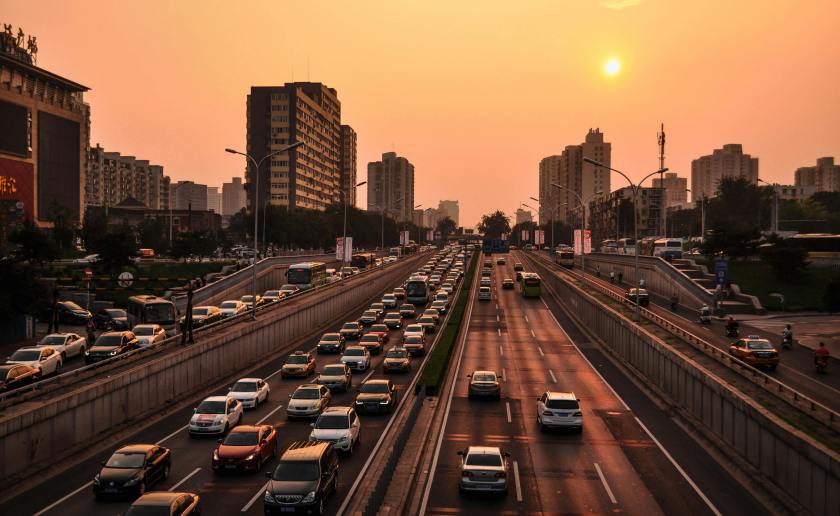
Pollution is a pressing environmental issue that poses threats to ecosystems, human health, and economic well-being. Point source and non-point source pollution are two distinct types of pollution with different origins, impacts, and mitigation strategies. This essay provides an overview of point source and non-point source pollution, examines their respective sources and impacts, and explores potential solutions to mitigate their effects on the environment.
Point Source Pollution: Definition and Sources
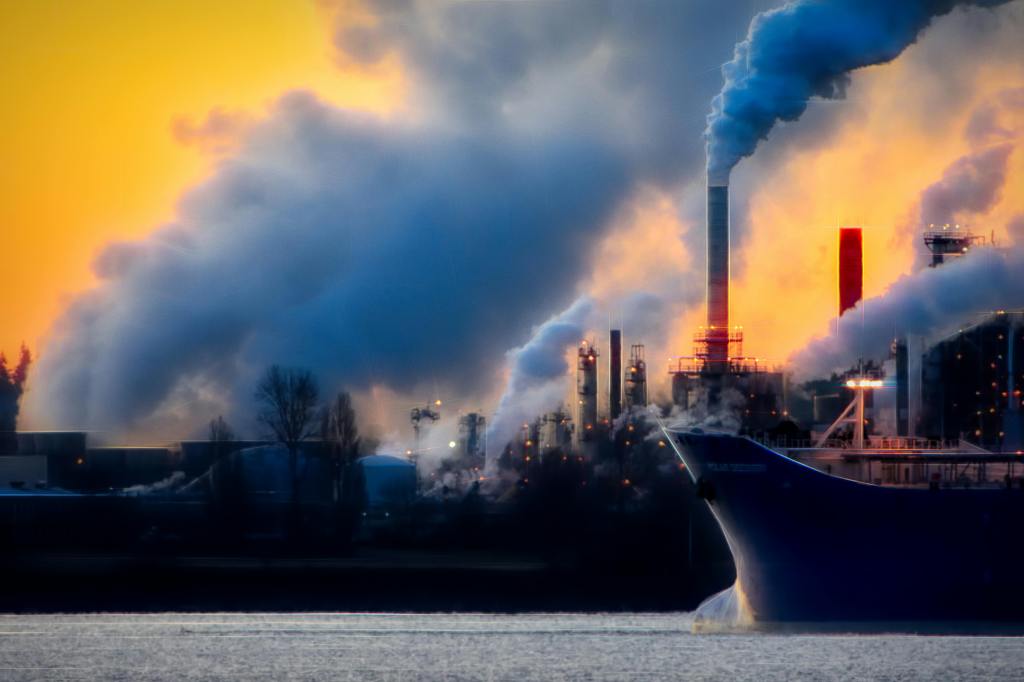
Point source pollution refers to pollution that originates from a single, identifiable source, such as a pipe, outfall, or chimney. Common sources of point source pollution include industrial facilities, wastewater treatment plants, and sewage systems. These sources release pollutants directly into water bodies, air, or land, making their origin easily traceable.
Impacts of Point Source Pollution
Point source pollution can have significant impacts on environmental quality and human health. In water bodies, point source pollutants such as heavy metals, toxic chemicals, and nutrients can degrade water quality, harm aquatic ecosystems, and pose risks to human health through contamination of drinking water supplies and seafood consumption.
Examples of Point Source Pollution
- Industrial Discharges: Industrial facilities often release pollutants such as heavy metals, chemicals, and wastewater into nearby water bodies through discharge pipes or outfalls.
- Municipal Wastewater: Wastewater treatment plants can be sources of point source pollution when inadequately treated effluent is discharged into rivers, lakes, or oceans.
- Agricultural Runoff: While agricultural runoff is typically considered non-point source pollution, concentrated animal feeding operations (CAFOs) can be sources of point source pollution when manure and agricultural chemicals are discharged directly into water bodies.
Non-Point Source Pollution: Definition and Sources
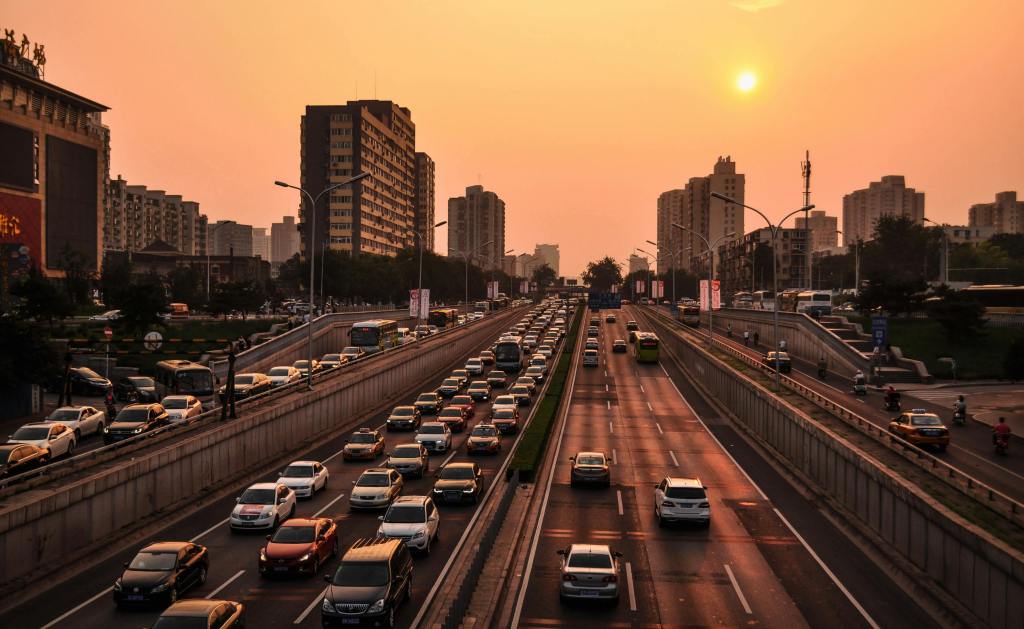
Non-point source pollution refers to pollution that originates from diffuse sources and is carried by runoff or leaching into water bodies, air, or soil. Unlike point source pollution, non-point source pollution does not originate from a single, identifiable source, making it challenging to trace and control. Common sources of non-point source pollution include urban runoff, agricultural runoff, and atmospheric deposition.
Impacts of Non-Point Source Pollution
Non-point source pollution can have widespread and cumulative impacts on environmental quality and ecosystem health. Pollutants such as sediment, nutrients, pesticides, and pathogens carried by runoff can degrade water quality, impair aquatic habitats, and contribute to the eutrophication of lakes, rivers, and coastal waters.
Examples of Non-Point Source Pollution
- Urban Runoff: Rainwater and snowmelt can pick up pollutants such as motor oil, pet waste, and fertilizers from urban surfaces such as roads, parking lots, and lawns, carrying them into storm drains and water bodies.
- Agricultural Runoff: Rainwater and irrigation runoff can transport sediment, nutrients, pesticides, and pathogens from agricultural fields into nearby water bodies, leading to water quality impairments and ecosystem degradation.
- Atmospheric Deposition: Airborne pollutants such as sulfur dioxide, nitrogen oxides, and particulate matter can be deposited onto land and water surfaces through precipitation, contributing to acid rain, nutrient loading, and soil and water contamination.
Mitigation Strategies for Point Source Pollution
- Regulatory Controls: Regulatory agencies can establish and enforce effluent limits, discharge standards, and pollution prevention measures to control point source pollution from industrial and municipal sources.
- Treatment Technologies: Industrial facilities and wastewater treatment plants can implement advanced treatment technologies, such as sedimentation, filtration, and biological treatment, to remove pollutants from wastewater before discharge.
- Best Management Practices: Industry-specific best management practices (BMPs), such as source reduction, recycling, and pollution prevention measures, can help minimize point source pollution from industrial and municipal sources.
Mitigation Strategies for Non-Point Source Pollution
- Conservation Practices: Agricultural producers can implement conservation practices, such as cover cropping, contour farming, and buffer strips, to reduce soil erosion, improve water infiltration, and minimize runoff of sediment and nutrients.
- Green Infrastructure: Urban planners and developers can incorporate green infrastructure practices, such as permeable pavement, green roofs, and rain gardens, to manage stormwater runoff and reduce urban non-point source pollution.
- Public Education and Outreach: Public education campaigns and outreach programs can raise awareness about the sources and impacts of non-point source pollution and promote individual actions, such as proper waste disposal, lawn care practices, and responsible pesticide use.
Conclusion
Point source and non-point source pollution are significant environmental challenges that require comprehensive and multi-faceted approaches to mitigation and prevention. By understanding the sources, impacts, and mitigation strategies associated with both types of pollution, policymakers, regulators, and stakeholders can work together to safeguard water quality, protect ecosystems, and promote sustainable development. Through collaborative efforts and collective action, we can address the root causes of pollution and ensure a cleaner, healthier environment for current and future generations.
Sources:
- United States Environmental Protection Agency (EPA). (2021). Non-Point Source Pollution. https://www.epa.gov/nps
- United States Geological Survey (USGS). (n.d.). Nonpoint Source Pollution: The Nation’s Largest Water Quality Problem. https://www.usgs.gov/special-topic/water-science-school/science/nonpoint-source-pollution-nations-largest-water-quality?qt-science_center_objects=0#qt-science_center_objects
- California Environmental Protection Agency (CalEPA). (2021). Non-Point Source Pollution Control Program. https://calepa.ca.gov/water/non-point-source-pollution-control-program/
- California Environmental Protection Agency (CalEPA). (2021). Point Source Pollution Control Program. https://calepa.ca.gov/water/point-source-pollution-control-program/
 Zero Waste California