

In our modern world, plastic has become ubiquitous, but its convenience comes at a cost to the environment. From single-use packaging to disposable products, plastic waste poses a significant threat to ecosystems and human health. However, there is hope on the horizon as individuals are increasingly seeking innovative ways to reduce plastic consumption right in the comfort of their own homes. Let’s revisit tried and true approaches to minimize plastic use and embrace a more sustainable lifestyle.

1. Reusable Alternatives: One of the simplest and most effective ways to reduce plastic at home is by replacing single-use items with reusable alternatives. Swap out plastic water bottles for stainless steel or glass bottles, and invest in reusable shopping bags to eliminate the need for disposable plastic bags. Additionally, opt for reusable food storage containers and beeswax wraps instead of plastic cling film or sandwich bags.

2. DIY Cleaning Products: Commercial cleaning products often come packaged in plastic containers and contain harmful chemicals that can pollute the environment. Instead, consider making your own cleaning solutions using natural ingredients like vinegar, baking soda, and essential oils. Not only are homemade cleaners better for the planet, but they are also safer for your family and pets.

3. Bulk Buying and Refill Stations: Many grocery stores and markets now offer bulk buying options and refill stations for common household items like grains, nuts, oils, and cleaning products. By purchasing items in bulk and bringing your own containers, you can significantly reduce plastic packaging waste. Additionally, supporting businesses that offer refillable options encourages others to follow suit and adopt more sustainable practices.

4. Composting Organic Waste: Food scraps and organic waste account for a significant portion of household trash, much of which ends up in landfills where it contributes to greenhouse gas emissions. Instead of throwing organic waste in the trash, consider composting it at home. Composting not only reduces the amount of waste sent to landfills but also produces nutrient-rich soil that can be used to nourish your garden or houseplants.
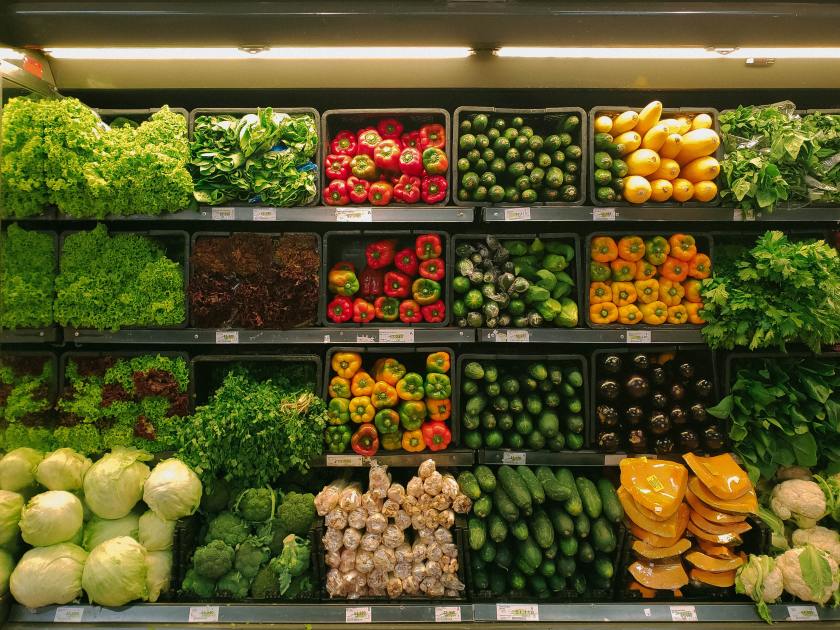
5. Mindful Shopping Habits: When shopping for groceries or household items, be mindful of the packaging and materials used. Choose products packaged in recyclable or compostable materials whenever possible, and avoid products with excessive or unnecessary plastic packaging. Additionally, support brands and businesses that prioritize sustainability and eco-friendly practices.

6. Upcycling and Repurposing: Get creative with repurposing and upcycling items to give them a new lease on life. Instead of throwing away old jars or containers, use them for storage or DIY projects. Turn old clothing into cleaning rags or fabric scraps into reusable produce bags. By giving new purpose to old items, you can reduce waste and minimize the need for new plastic products.
Conclusion:
Reducing plastic consumption at home is not only good for the environment but also empowers individuals to live more consciously and sustainably. By embracing new ways to minimize plastic use, we can all play a part in creating a healthier, cleaner planet for future generations. Let’s commit to making small changes at home that collectively have a big impact on reducing plastic waste.
 Zero Waste California