

Monarch butterflies (Danaus plexippus) are not only iconic symbols of beauty but also play a crucial role in maintaining the health and balance of ecosystems across North America. This article explores the importance of monarch butterflies to the environment, their life cycle, feeding habits, and conservation efforts to support their populations.
1. Life Cycle of the Monarch Butterfly
The life cycle of the monarch butterfly consists of four stages: egg, larva (caterpillar), pupa (chrysalis), and adult butterfly. Monarchs lay their eggs on milkweed plants, which serve as the sole food source for monarch caterpillars. After hatching, the caterpillars feed voraciously on milkweed leaves, growing rapidly before forming a chrysalis. Inside the chrysalis, the caterpillar undergoes metamorphosis, eventually emerging as a beautiful adult butterfly.
2. Importance of Milkweed to Monarchs
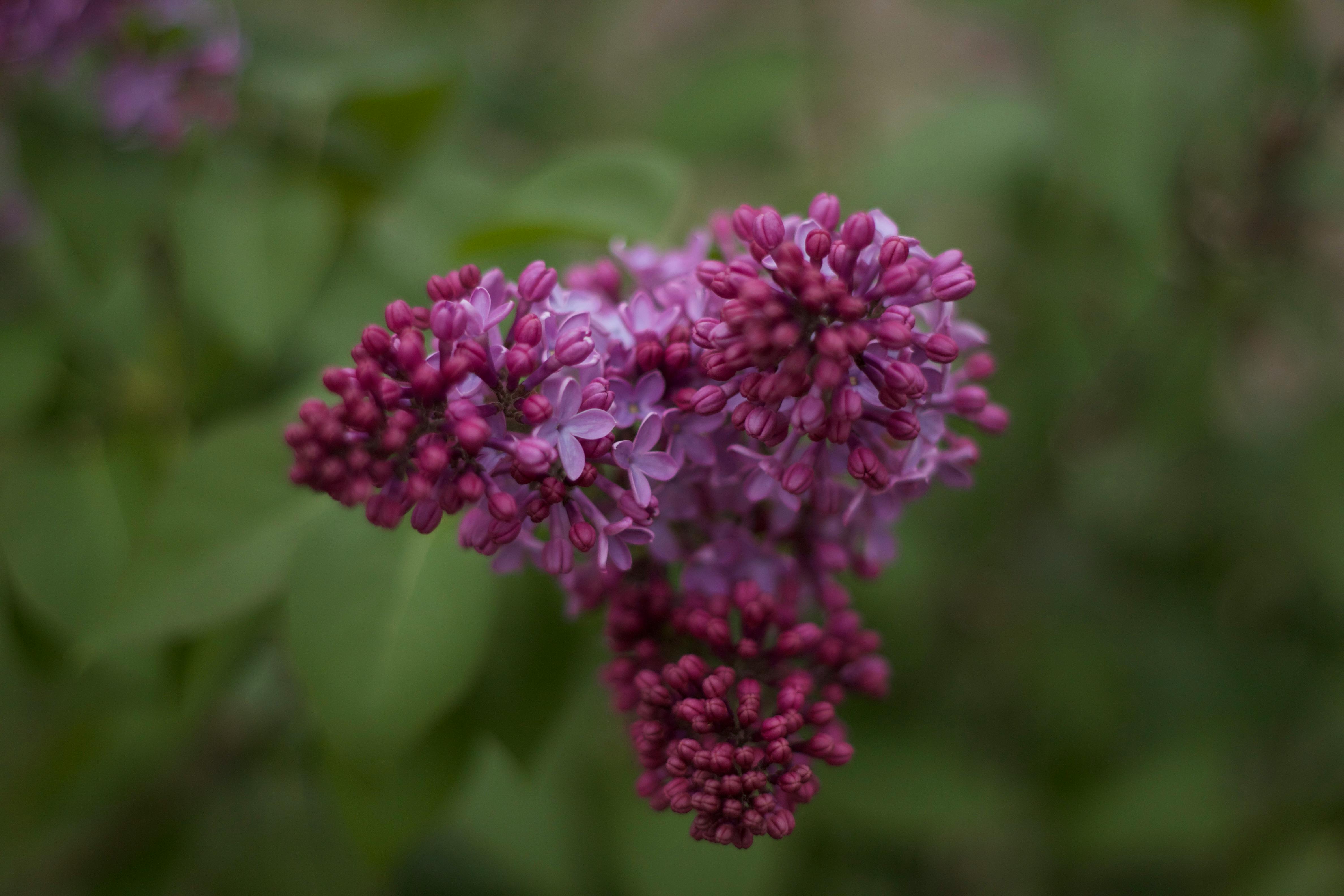
Milkweed plants (Asclepias spp.) are critical to the survival of monarch butterflies, serving as both a food source and a breeding ground. Monarchs lay their eggs exclusively on milkweed leaves, and the toxic compounds in milkweed sap make the caterpillars distasteful to predators. However, the decline of milkweed habitat due to factors such as urbanization, agriculture, and herbicide use has contributed to a decline in monarch populations.
3. Feeding Habits of Monarch Butterflies
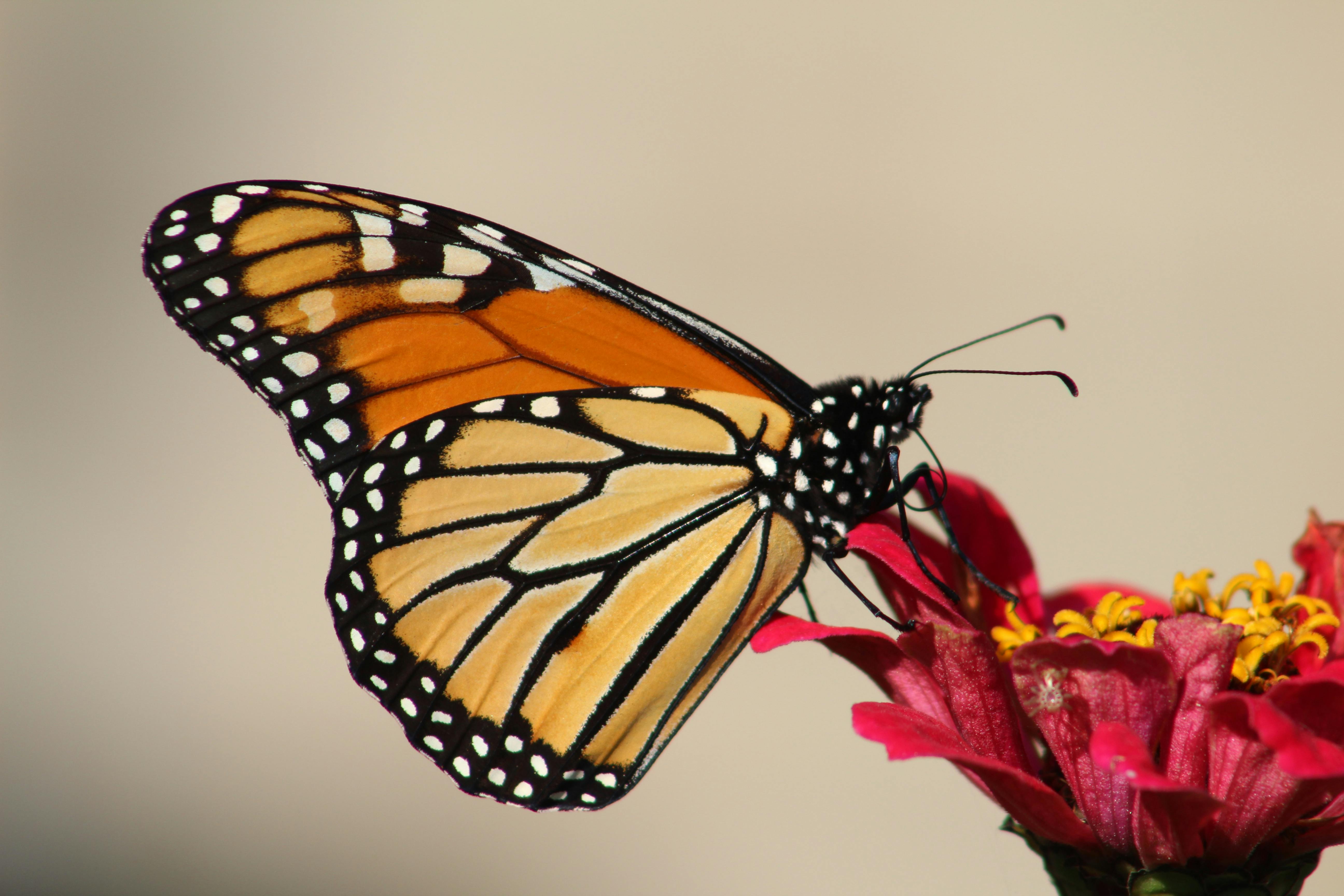
As adult butterflies, monarchs feed primarily on the nectar of flowering plants, using their long proboscis to extract nectar from deep within flowers. Monarchs have a preference for nectar-rich flowers with a high sugar content, such as milkweed, goldenrod, asters, and butterfly bush. These flowers provide essential energy for monarchs during their long migratory journeys and breeding seasons.
4. Conservation Efforts to Support Monarch Populations
To support monarch butterfly populations, individuals and communities can take action by planting native milkweed and nectar plants in their gardens, parks, and public spaces. By creating monarch-friendly habitats, we can provide essential resources for monarchs throughout their life cycle, from egg laying to adult feeding and migration. However, it’s crucial to plant milkweed species that are native to the region and avoid planting tropical milkweed (Asclepias curassavica), especially near coastal areas.
5. Harmful Effects of Non-Native Milkweed Near Coastal Areas
Non-native milkweed species, particularly tropical milkweed, have been associated with harmful effects on monarch butterflies, especially in coastal regions where they can disrupt monarch migration patterns and increase the risk of disease transmission. Tropical milkweed can persist year-round in warmer climates, leading to prolonged breeding seasons and the accumulation of pathogens that can infect monarchs.
Conclusion:
Monarch butterflies are not only captivating creatures but also vital components of healthy ecosystems. By understanding their life cycle, feeding habits, and habitat needs, we can take meaningful steps to support monarch populations and contribute to the conservation of biodiversity. Through the planting of native milkweed and nectar plants, as well as the promotion of monarch-friendly gardening practices, we can help ensure a bright future for these majestic butterflies and the ecosystems they inhabit.
Sources for information about monarch butterflies:
- Monarch Joint Venture: A partnership of organizations working to conserve the monarch butterfly migration in the United States. Their website offers a wealth of information on monarch biology, habitat, conservation, and citizen science initiatives.
- Website: Monarch Joint Venture
- National Geographic: The renowned nature and science magazine provides articles, videos, and interactive features on monarch butterflies, including their life cycle, migration, and conservation.
- Xerces Society for Invertebrate Conservation: A nonprofit organization dedicated to the conservation of invertebrates, including monarch butterflies. Their website offers resources on monarch conservation, gardening for monarchs, and best management practices for land managers.
- Website: Xerces Society – Monarch Butterfly
- University of Minnesota Monarch Lab: Conducts research on monarch butterflies and provides educational resources for students, teachers, and the general public. Their website includes information on monarch biology, ecology, and conservation.
- Website: Monarch Lab
- Journey North: A citizen science project that tracks the migration of monarch butterflies and other species. Their website offers real-time migration maps, educational resources, and opportunities for students and educators to participate in scientific research.
- Website: Journey North – Monarch Butterfly
These sources offer reliable and up-to-date information on monarch butterflies, their importance to the environment, and efforts to conserve their populations.
 Zero Waste California