
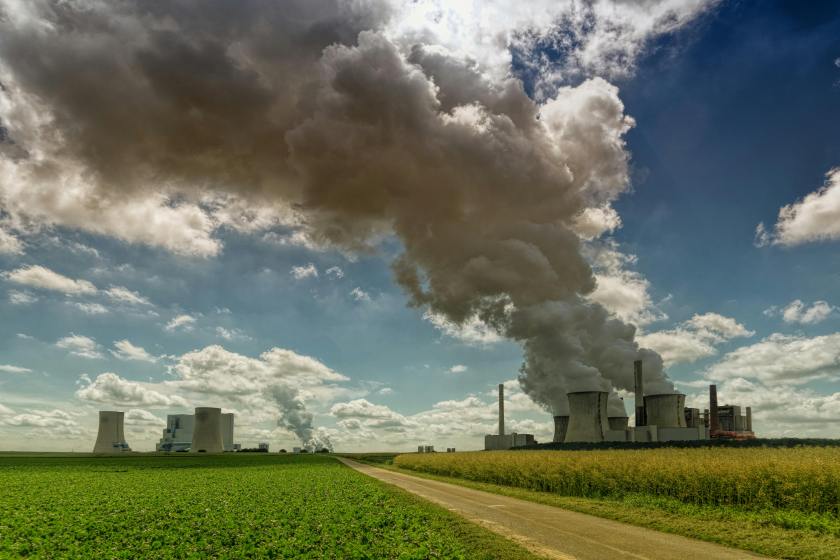
After the Fukushima Daiichi nuclear disaster in 2011, there have been major concerns about the release of radioactive materials into the ocean. One method used to manage the contaminated water at the Fukushima Daiichi nuclear plant is to treat it to remove most radioactive elements, but tritium, a radioactive form of hydrogen, remains in the treated water. Despite international concerns and objections, Japan has announced plans to discharge the treated water into the ocean.
The idea of discharging treated water from the Fukushima plant into the ocean has raised safety concerns and objections from various stakeholders, including environmental groups, neighboring countries, and local communities. Some of the main concerns include:
- Environmental Impact: Discharging radioactive water into the ocean could potentially harm marine life and ecosystems. Radioactive materials can accumulate in marine organisms, including seaweed, which are then consumed by other animals, potentially leading to bioaccumulation and biomagnification of contaminants in the food chain.
- Public Health Concerns: There are concerns about the potential impact on human health, particularly for communities reliant on seafood from the affected areas. Even though the levels of radioactive materials in the discharged water may be below regulatory limits, there is still uncertainty about the long-term health effects of chronic exposure to low levels of radiation.
- Transparency and Communication: Critics have raised concerns about the transparency of the decision-making process and the communication of risks and uncertainties associated with the discharge of treated water into the ocean. There have been calls for greater transparency, consultation with stakeholders, and consideration of alternative disposal options.
It’s important to note that while there are legitimate concerns about the safety and environmental impact of discharging treated water from the Fukushima Daiichi nuclear plant into the ocean, the situation is complex and may involve trade-offs between different risks and considerations. Ultimately, the decision on how to manage the treated water from the Fukushima plant requires careful consideration of scientific evidence, environmental impacts, public health concerns, and stakeholder input.
Background of The Fukushima Disaster:
The Fukushima Daiichi nuclear disaster stands as one of the most significant nuclear accidents in history, leaving a lasting impact on Japan and the global community. This article delves into the history of the Fukushima disaster, from its origins to its aftermath, highlighting the events, consequences, and lessons learned from this tragic incident.
1. Prelude to Disaster: The Great East Japan Earthquake
On March 11, 2011, a magnitude 9.0 earthquake struck off the coast of Japan, triggering a massive tsunami that devastated the northeastern region of the country. The tsunami inundated the Fukushima Daiichi nuclear power plant, located in Fukushima Prefecture, knocking out its cooling systems and leading to a catastrophic nuclear meltdown.
2. Escalation of Crisis: Nuclear Meltdown and Reactor Failures
In the wake of the tsunami, the Fukushima Daiichi plant experienced multiple reactor failures and meltdowns, releasing radioactive materials into the environment. The severity of the situation escalated rapidly as efforts to stabilize the reactors and contain the release of radiation faced numerous challenges, including loss of power, cooling system failures, and hydrogen explosions.
3. Evacuation and Contamination: Impact on Local Communities
The Japanese government ordered the evacuation of residents living within a 20-kilometer radius of the Fukushima Daiichi plant, displacing tens of thousands of people. The release of radioactive materials resulted in widespread contamination of air, soil, and water, posing significant health risks to nearby communities and raising concerns about long-term environmental and public health impacts. These effects are still impacting Japan today.
4. Discharging Fukushima Wastewater:
After years of deliberation and debate, Japan announced plans to discharge treated radioactive wastewater from the Fukushima plant into the Pacific Ocean. The decision comes as the storage tanks at the plant reach full capacity, and concerns grow over the long-term management of the contaminated water.
5. Caps on Radiation Levels
To mitigate the potential environmental and health risks associated with the discharge, Japan has imposed caps on radiation levels in the treated wastewater. The proposed limits for radioactive isotopes such as tritium are well below regulatory thresholds set by international standards.
6. Health Impacts and Concerns
Despite assurances from Japanese authorities that the discharged wastewater will be treated to remove most radioactive contaminants, concerns remain about the potential health impacts on marine life and human populations. Radioactive isotopes can accumulate in marine organisms, potentially entering the food chain and posing risks to human health through consumption of contaminated seafood.
7. Environmental Consequences
The release of treated radioactive wastewater into the ocean raises concerns about its impact on marine ecosystems, including coral reefs, fish populations, and biodiversity. While dilution and dispersion may reduce localized contamination, the long-term effects on marine life and ecosystems are uncertain and require ongoing monitoring and research.
Japan is not alone, many countries dump radioactive wastewater:
Several countries have historically disposed of radioactive wastewater into the ocean, primarily as a byproduct of nuclear power generation and nuclear weapons testing. However, it’s essential to note that international regulations and agreements have aimed to restrict or eliminate such practices due to environmental and health concerns. Here are some countries that have been associated with the disposal of radioactive wastewater into the ocean:
- Japan: In the aftermath of the Fukushima Daiichi nuclear disaster in 2011, Japan has been considering the discharge of treated radioactive wastewater from the damaged nuclear plant into the Pacific Ocean. Despite international concerns and objections, Japan announced plans to proceed with the release of the treated water, sparking controversy and debate over its potential environmental and health impacts.
- United Kingdom: Historically, the United Kingdom has been involved in the disposal of radioactive waste, including wastewater, from nuclear facilities into the Irish Sea. While the practice has been reduced over the years, concerns persist about the long-term environmental consequences and the potential impact on marine ecosystems.
- Russia: Russia has been associated with the dumping of radioactive waste, including wastewater, into the Arctic Ocean and other water bodies as a result of its nuclear activities, including nuclear submarine decommissioning and nuclear weapons testing. Efforts to address radioactive contamination in the Arctic region have been ongoing, with concerns raised about the impact on indigenous communities and ecosystems.
- France: France has been involved in the disposal of radioactive waste, including wastewater, from its nuclear power plants into the English Channel and the Atlantic Ocean. While the French government has implemented measures to minimize environmental impact and comply with international regulations, concerns remain about the potential risks to marine life and human health.
- United States: The United States has a history of disposing of radioactive waste, including wastewater, from nuclear facilities into the oceans, primarily in the Pacific and Atlantic Oceans. While regulations have been enacted to limit such practices and encourage the safe storage and disposal of radioactive waste on land, challenges remain in addressing legacy contamination and ensuring the protection of marine ecosystems.
It’s important to recognize that the disposal of radioactive wastewater into the ocean remains a controversial and highly scrutinized practice, with significant implications for marine ecosystems, public health, and international relations. Efforts to address radioactive contamination and prevent further pollution of the oceans require coordinated action, robust regulatory oversight, and international cooperation to ensure the protection of global marine environments and human well-being.
International Response and Calls for Transparency
Japan’s decision to discharge radioactive wastewater into the ocean has prompted criticism from neighboring countries, environmental groups, and the international community. Calls for greater transparency, consultation, and information sharing have underscored the need for collaborative efforts to address the complex challenges of nuclear safety and environmental protection.
Conclusion:
The decision to release treated radioactive wastewater from the Fukushima Daiichi nuclear plant into the ocean raises significant environmental, health, and ethical considerations. While Japan has imposed caps on radiation levels and pledged to mitigate risks, concerns remain about the potential impact on marine ecosystems and human health. As the discharge proceeds, it is essential for Japan to prioritize transparency, monitoring, and international cooperation to ensure the protection of global marine environments and public health.
The Fukushima Daiichi nuclear disaster serves as a sobering reminder of the potential consequences of natural disasters and human error in the operation of nuclear facilities. While Japan has made significant strides in the cleanup and recovery efforts since the disaster, the legacy of Fukushima continues to shape discussions around nuclear safety, energy policy, and disaster preparedness worldwide. As we reflect on the lessons learned from Fukushima, we must remain vigilant in our efforts to prevent future tragedies and build a more resilient and sustainable future for generations to come.
 Zero Waste California