
In today’s world, plastic has become ubiquitous in our daily lives, from packaging our food to storing our belongings. However, the convenience of plastic comes at a cost to both our wallets and the planet. Fortunately, making the switch to a plastic-free lifestyle at home can not only help save money but also contribute to a healthier planet. Let’s explore how reducing plastic usage at home can lead to financial savings while benefiting the environment.
Saving Money by Reducing Plastic
- Cutting Down on Single-Use Items: By opting for reusable alternatives to single-use plastic items such as water bottles, shopping bags, and utensils, households can significantly reduce their spending on disposable products in the long run.
- Buying in Bulk: Purchasing items in bulk from stores with bulk bins allows consumers to avoid plastic packaging and often leads to cost savings since bulk items are typically cheaper per unit.
- Investing in Durable Replacements: While initially more expensive, investing in durable, high-quality products such as stainless steel water bottles, glass food containers, and metal straws can save money over time as these items last longer than their disposable counterparts.
- DIY Cleaning Products: Making homemade cleaning solutions using simple ingredients like vinegar, baking soda, and essential oils not only reduces plastic waste from store-bought cleaners but also saves money by using inexpensive, multipurpose ingredients.
Environmental Benefits of Reducing Plastic
- Reducing Plastic Pollution: Plastic pollution poses a significant threat to marine life, ecosystems, and human health. By reducing plastic usage at home, individuals can minimize their contribution to plastic pollution and help protect the environment.
- Conserving Resources: Plastic production relies on finite fossil fuels and consumes large amounts of energy and water. By reducing plastic consumption, households can help conserve natural resources and reduce their carbon footprint.
- Preserving Wildlife: Marine animals often mistake plastic debris for food, leading to ingestion and entanglement. By reducing plastic usage, individuals can help protect marine wildlife and preserve fragile ecosystems.
- Mitigating Climate Change: The production, transportation, and disposal of plastic contribute to greenhouse gas emissions and climate change. By choosing plastic-free alternatives, households can lower their carbon footprint and contribute to efforts to combat climate change.
Practical Tips for Going Plastic-Free at Home
- Start Small: Begin by identifying areas where plastic usage can be easily reduced, such as switching to reusable shopping bags or purchasing items in bulk.
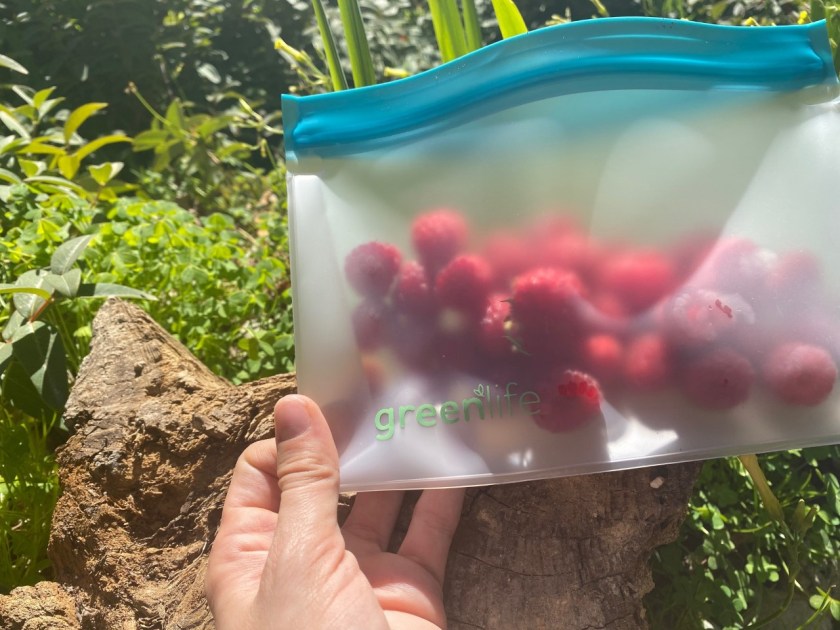
- Explore Alternatives: Research and invest in plastic-free alternatives to commonly used items, such as bamboo toothbrushes, silicone food wraps, and compostable trash bags.
- Get Creative: Look for innovative ways to repurpose or upcycle existing plastic items, such as using empty containers for storage or turning plastic bottles into planters for a DIY garden.
- Spread Awareness: Share your plastic-free journey with friends, family, and community members to inspire others to join the movement and amplify the impact of individual actions.
30 Ways to Reduce Plastic at Home
- Use Reusable Shopping Bags: Carry reusable bags when shopping to reduce plastic bag usage. (Source: Earth911 – https://earth911.com/home-garden/plastic-shopping-bags-ban/)
- Opt for Glass or Stainless Steel Containers: Store food in glass or stainless steel containers instead of plastic ones. (Source: The Spruce – https://www.thespruce.com/plastic-vs-glass-food-storage-containers-1908789)
- Avoid Single-Use Plastic Straws: Use metal or bamboo straws, or simply skip using straws altogether. (Source: National Geographic – https://www.nationalgeographic.com/environment/article/plastic-straws-ocean-trash-environment)
- Choose Reusable Water Bottles: Carry a reusable water bottle instead of buying single-use plastic water bottles. (Source: EcoWatch – https://www.ecowatch.com/5-reasons-to-ditch-plastic-water-bottles-1881974223.html)
- Buy in Bulk: Purchase items like grains, nuts, and spices from bulk bins using your own containers to reduce plastic packaging. (Source: Treehugger – https://www.treehugger.com/ways-to-reduce-packaging-4802162)
- Bring Your Own Utensils: Carry reusable utensils when eating out or at work to avoid plastic cutlery. (Source: Going Zero Waste – https://www.goingzerowaste.com/blog/zero-waste-on-the-go)
- Use Beeswax Wraps: Replace plastic cling film with beeswax wraps for food storage. (Source: Healthline – https://www.healthline.com/nutrition/what-are-beeswax-wraps)
- Choose Bar Soap: Opt for bar soap instead of liquid soap packaged in plastic bottles. (Source: The Guardian – https://www.theguardian.com/environment/2019/oct/08/bar-soap-v-liquid-soap-environment-packaging)
- Avoid Disposable Razors: Use safety razors or electric razors instead of disposable plastic ones. (Source: Green Matters – https://www.greenmatters.com/p/safety-razor-benefits)
- Switch to Bamboo Toothbrushes: Replace plastic toothbrushes with bamboo ones that are biodegradable. (Source: One Green Planet – https://www.onegreenplanet.org/animalsandnature/are-bamboo-toothbrushes-really-better-than-plastic/)
- Make Your Own Cleaning Products: Create homemade cleaning products using ingredients like vinegar, baking soda, and essential oils to reduce plastic packaging. (Source: Good Housekeeping – https://www.goodhousekeeping.com/home/cleaning/tips/a24885/make-at-home-cleaners/)
- Choose Loose Produce: Buy loose fruits and vegetables instead of those pre-packaged in plastic. (Source: HuffPost – https://www.huffpost.com/entry/plastic-free-problems-vegetables_l_5fd61e6bc5b66a758415c67f)
- Shop at Farmers’ Markets: Support local farmers’ markets where produce is often sold without plastic packaging. (Source: The Balance Small Business – https://www.thebalancesmb.com/pros-and-cons-of-farmers-markets-2538316)
- Avoid Plastic Packaging: Choose products with minimal or no plastic packaging whenever possible. (Source: World Wildlife Fund – https://www.worldwildlife.org/stories/ten-ways-to-reduce-plastic-pollution)
- Use Cloth Napkins: Replace paper napkins with cloth napkins to reduce paper waste. (Source: Zero Waste Nerd – https://zerowastenerd.com/blog/2018/2/13/how-to-transition-to-a-zero-waste-kitchen)
- Compost Food Scraps: Start composting food scraps to divert organic waste from landfills, reducing the need for plastic trash bags. (Source: EPA – https://www.epa.gov/recycle/composting-home)
- Choose Loose-Leaf Tea: Buy loose-leaf tea instead of tea bags, which often contain plastic fibers. (Source: National Geographic – https://www.nationalgeographic.com/animals/article/tea-bags-may-shed-billions-of-microscopic-plastic-particles)
- DIY Personal Care Products: Make your own personal care products such as shampoo, conditioner, and lotion to reduce plastic packaging. (Source: Mindful Momma – https://mindfulmomma.com/homemade-skincare-products/)
- Invest in Reusable Produce Bags: Use reusable mesh bags for storing and carrying produce instead of plastic bags. (Source: The Spruce – https://www.thespruce.com/best-reusable-produce-bags-4844497)
- Choose Cardboard Packaging: Opt for products with cardboard or paper packaging instead of plastic whenever possible. (Source: WWF – https://www.worldwildlife.org/stories/ten-ways-to-reduce-plastic-pollution)
- Repair Instead of Replace: Repair broken items instead of replacing them to reduce waste and consumption of new products packaged in plastic. (Source: Earth911 – https://earth911.com/home-garden/repair-plastic/)
- Use Cloth Diapers: Choose cloth diapers instead of disposable ones to reduce plastic waste. (Source: The Guardian – https://www.theguardian.com/environment/2019/sep/25/whats-more-eco-friendly-cloth-or-disposable-nappies)
- Avoid Plastic Wrap: Use reusable silicone lids or cloth covers instead of plastic wrap for covering food containers. (Source: Real Simple – https://www.realsimple.com/food-recipes/tools-products/plastic-wrap-alternatives)
- Shop Secondhand: Buy clothing and household items from thrift stores or online marketplaces to avoid purchasing new items packaged in plastic. (Source: Treehugger – https://www.treehugger.com/buying-used-instead-of-new-1203888)
- Choose Loose Tea: Purchase loose tea leaves instead of tea bags to avoid plastic packaging and reduce waste. (Source: Global Citizen – https://www.globalcitizen.org/en/content/the-shocking-environmental-impact-of-tea-bags/)
- Use Stainless Steel Straws: Replace plastic straws with reusable stainless steel or glass straws to reduce single-use plastic waste. (Source: National Geographic – https://www.nationalgeographic.com/environment/article/plastic-straws-ocean-trash-environment)
- DIY Cleaning Solutions: Make your own cleaning solutions using simple ingredients like vinegar, baking soda, and essential oils to reduce reliance on plastic-packaged cleaning products. (Source: Good Housekeeping – https://www.goodhousekeeping.com/home/cleaning/tips/a24885/make-at-home-cleaners/)
- Avoid Plastic Toothpaste Tubes: Choose toothpaste brands that offer alternatives to traditional plastic tubes, such as tablets or refillable options. (Source: Going Zero Waste – https://www.goingzerowaste.com/blog/zero-waste-toothpaste)
- Use Silicone Baking Mats: Replace parchment paper or disposable baking sheets with reusable silicone baking mats to reduce paper
- Bring Your Own Mug: Whenever possible, bring your own reusable mug instead of opting for single-use cups.
Conclusion
Transitioning to a plastic-free lifestyle at home not only saves money but also contributes to a healthier planet for future generations. By reducing plastic consumption, households can minimize their environmental footprint, protect wildlife and ecosystems, and mitigate the impacts of climate change. With small changes in daily habits and conscious consumer choices, each individual has the power to make a meaningful difference in the fight against plastic pollution and create a more sustainable world.
So, let’s embrace the power of going plastic-free at home – for our wallets, our planet, and our future.
 Zero Waste California